Unraveling the Neurological Mechanisms of the Placebo Effect
The placebo effect represents one of medicine's most fascinating and complex phenomena, where inert treatments can produce genuine therapeutic benefits through the power of belief and expectation[1][2]. This research framework explores the fundamental question: "What are the neurological mechanisms behind the placebo effect?" The investigation employs neuroscientific literature review and functional brain imaging analysis to systematically examine how belief and expectation influence brain activity and lead to observable physiological outcomes[3][4].
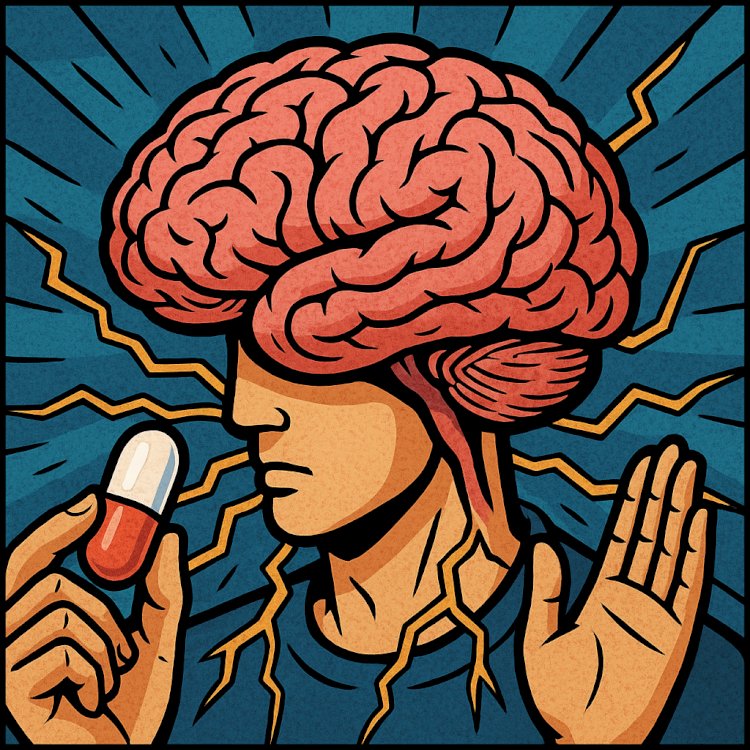
Far from being merely a psychological curiosity, the placebo effect demonstrates measurable neurobiological changes that mirror those produced by active pharmaceutical interventions[2][5]. Modern neuroscience has revealed that placebos activate the same neural circuits and neurotransmitter systems as their pharmaceutical counterparts, suggesting a sophisticated biological foundation underlying these responses[6][7].
Defining the Placebo Effect
Comprehensive Definition and Clinical Context
A placebo is fundamentally defined as any treatment that lacks active therapeutic properties, including sugar pills, saline injections, or sham procedures[1][8]. The placebo effect occurs when patients experience real improvements in symptoms after receiving these inactive treatments, driven primarily by their belief in the treatment's efficacy rather than any pharmacological action[9][10].
The term "placebo" derives from Latin meaning "I will please," reflecting its historical use to satisfy patient expectations rather than provide genuine medical benefit[11]. However, contemporary research has dramatically shifted this understanding, revealing that placebos can produce clinically significant improvements across numerous conditions[2][12].
Placebo versus Nocebo Effects
The placebo phenomenon encompasses two distinct but related effects. Placebo effects involve beneficial responses to inert treatments, while nocebo effects represent adverse reactions to the same inactive substances[13][10]. Recent research demonstrates that nocebo effects are consistently stronger and more persistent than placebo effects, potentially reflecting evolutionary biases toward threat detection[13].
Clinical trials consistently demonstrate placebo response rates ranging from 20-70% across various conditions, with particularly robust effects observed in pain management, depression, and anxiety disorders[14][15]. These responses are not merely subjective improvements but involve measurable physiological changes detectable through neuroimaging and biochemical analysis[4][16].
Brain Regions Involved in the Placebo Effect
Core Neural Networks
Functional magnetic resonance imaging (fMRI) studies have identified specific brain regions consistently activated during placebo responses[4][17]. The most prominently involved areas include the rostral anterior cingulate cortex (rACC), dorsolateral prefrontal cortex (dlPFC), and periaqueductal gray (PAG)[18][19][20].
The anterior cingulate cortex serves as a critical hub for placebo analgesia, showing increased activation during both pain anticipation and actual pain relief[4][21]. This region's involvement suggests its role in integrating cognitive expectations with sensory processing[19][20]. Meta-analyses across multiple neuroimaging studies confirm that placebo treatments consistently reduce pain-related activity in regions including the thalamus, insula, and anterior cingulate cortex[17].
Prefrontal Cortex Mechanisms
The dorsolateral prefrontal cortex plays a crucial role in generating and maintaining placebo-related expectancies[3][18]. During placebo treatment, this region shows increased activity that correlates with the magnitude of pain relief experienced[22][23]. The dlPFC appears to represent treatment expectations and guide cognitive control processes that modulate pain perception[18].
Brain connectivity studies reveal that placebo effects depend on functional communication between prefrontal regions and brainstem pain control centers[18][22]. Specifically, the dlPFC influences pain perception through its connections with the periaqueductal gray, creating a top-down regulatory pathway[23].
Brainstem Pain Modulation Centers
The periaqueductal gray represents a critical component of the descending pain modulatory system activated during placebo analgesia[24][25]. This midbrain region contains high concentrations of opioid receptors and serves as the primary control center for endogenous pain modulation[25][26].
Recent groundbreaking research has identified a novel pain control pathway connecting the rostral anterior cingulate cortex through the pontine nucleus to the cerebellum[27][28]. This pathway, previously unknown in pain processing, becomes highly activated when subjects expect pain relief and demonstrates the cerebellum's unexpected role in cognitive pain modulation[29].
Advanced Neuroimaging Findings
Large-scale meta-analyses encompassing over 600 participants across 20 neuroimaging studies have provided unprecedented resolution of placebo effects on brain activity[30]. These studies confirm that placebo treatments affect pain-related activity in multiple brain areas, reflecting changes in both nociceptive processing and affective decision-making processes[16][17].
The precision of treatment expectations influences placebo effectiveness through Bayesian integration mechanisms in the periaqueductal gray and rostral ventromedial medulla[24]. This suggests that the brain integrates prior expectations with incoming sensory information, weighting both by their relative precision to construct the final pain experience[24].
Neurotransmitters and Neurochemical Pathways
Endogenous Opioid Systems
The endogenous opioid system represents the most well-established neurochemical mechanism underlying placebo analgesia[7][31]. Positron emission tomography studies using opioid receptor tracers demonstrate that placebo treatment triggers the release of endorphins in brain regions rich in μ-opioid receptors[32].
Key brain regions showing placebo-induced opioid activation include the periaqueductal gray, nucleus accumbens, anterior cingulate cortex, and prefrontal regions[32][31]. The magnitude of endogenous opioid release correlates directly with the degree of pain relief experienced, providing biological validation of placebo effects[7][31].
Naloxone, an opioid receptor antagonist, can block placebo analgesia in many individuals, confirming the opioidergic basis of these effects[3][18]. However, not all placebo responses depend on opioid mechanisms, suggesting multiple neurochemical pathways contribute to these phenomena[33].
Dopaminergic Mechanisms
The role of dopamine in placebo effects has generated considerable research interest, particularly given its involvement in reward processing and expectation formation[33][6]. Initial studies suggested that dopamine release in the nucleus accumbens contributes to placebo analgesia by encoding reward predictions related to pain relief[6][34].
However, recent large-scale randomized controlled trials challenge the direct causal role of dopamine in placebo analgesia[33][35]. Studies manipulating dopamine levels through agonists and antagonists found that ambient dopamine levels do not significantly influence placebo effectiveness[36]. This suggests that while dopamine may be involved in expectation formation, it may not be essential for the expression of placebo effects[33].
Immune and Inflammatory Pathways
Emerging evidence reveals that placebo effects extend beyond neurotransmitter systems to influence immune function and inflammatory responses[37]. Placebo treatment can reduce plasma levels of IL-18, a potent pro-inflammatory cytokine involved in pain processing[37].
The reduction in inflammatory markers correlates with endogenous opioid release in brain regions including the nucleus accumbens and amygdala[37]. This neuroimmune interaction suggests that placebo effects may influence health outcomes through multiple biological pathways beyond traditional neurotransmitter mechanisms[37].
Cognitive and Emotional Factors
Expectation and Belief Systems
Patient expectations represent the most influential psychological factor driving placebo effects[14][38]. Positive treatment expectations can substantially modulate the efficacy of both placebo and active treatments, while negative expectations can diminish therapeutic benefits[14][39].
The formation and maintenance of therapeutic expectations involve complex cognitive processes including memory retrieval, attention regulation, and predictive processing[39][40]. These expectations are shaped by prior experiences, social learning, and the therapeutic context in which treatments are administered[14][41].
Personality and Individual Differences
Research has identified specific personality factors that predispose individuals to placebo responsiveness[41]. Optimism, empathy, suggestibility, and openness to experience correlate with stronger placebo effects, while anxiety, pessimism, and pain catastrophizing are associated with reduced responsiveness[41].
Aggregate psychological assessments combining motivation and suggestibility factors can account for up to 51% of the variance in placebo responses[41]. This suggests that placebo effects are not random phenomena but are systematically related to individual psychological characteristics[41].
Conditioning and Learning Mechanisms
Classical conditioning plays a fundamental role in placebo effect generation, where neutral stimuli become associated with therapeutic outcomes through repeated pairings[39][12]. This learning process can occur explicitly through verbal instructions or implicitly through environmental cues and past experiences[39].
Social learning also contributes to placebo effects, as patients may form expectations based on observing others' treatment responses or through cultural transmission of medical beliefs[41]. These multiple learning mechanisms interact to create robust and persistent placebo responses[12].
Emotional State and Affect Regulation
Emotional factors significantly influence placebo responsiveness, with anxiety and fear of pain being particularly important modulators[41][42]. Placebo treatments can alter emotional processing networks, creating shifts in the relationship between brain activity and affective experience[42].
Recent studies demonstrate that placebo effects on emotional regulation involve changes in prefrontal-brainstem connectivity, suggesting shared mechanisms between pain and emotional control[23]. This overlap may explain why placebo effects are particularly robust for conditions involving both sensory and emotional components[40].
Clinical Applications and Implications
Therapeutic Integration Strategies
Understanding placebo mechanisms opens new avenues for enhancing conventional treatments through deliberate activation of these pathways[12][43]. Rather than viewing placebos as deceptive practices, clinicians can ethically leverage placebo mechanisms to optimize patient outcomes[44][45].
The analgesic placebo effect can supplement pain management by enhancing patients' self-management competence and treatment adherence[12]. This approach involves educating patients about the mind-body connection and empowering them to actively participate in their healing process[43].
Open-Label Placebo Interventions
A revolutionary development in placebo research involves "honest" or open-label placebos, where patients knowingly receive inert treatments[42][43]. Remarkably, these interventions can produce significant therapeutic benefits even when patients are fully aware they are taking placebos[42].
Open-label placebo studies have demonstrated effectiveness for conditions including irritable bowel syndrome, chronic pain, and depression[15][43]. These findings challenge traditional assumptions about deception being necessary for placebo effects and suggest new ethical frameworks for clinical application[44][45].
Healthcare Provider Training
Effective translation of placebo research requires systematic training of healthcare providers to recognize and harness placebo mechanisms[43]. This includes developing skills in therapeutic communication, expectation management, and creating supportive patient-provider relationships[15][43].
The quality of patient-clinician interactions significantly influences treatment outcomes, with supportive relationships enhancing placebo responses beyond ritual interventions alone[15]. Training programs should emphasize empathy, active listening, and collaborative treatment planning to maximize these benefits[43].
Ethical Considerations and Guidelines
The clinical use of placebo mechanisms raises important ethical questions regarding patient autonomy, informed consent, and therapeutic deception[44][45]. Medical ethics guidelines increasingly recognize that placebo effects can be ethically leveraged when patients provide informed consent and understand the nature of their treatment[44].
The American Medical Association guidelines permit placebo use in clinical practice when patients are enlisted as cooperative partners and general consent is obtained without requiring precise timing disclosure[44]. This framework respects patient autonomy while preserving the therapeutic potential of placebo mechanisms[45].
Drug Development and Clinical Trial Design
Understanding placebo mechanisms has profound implications for pharmaceutical research and clinical trial design[46][47]. Placebo responses in clinical trials have been increasing over recent decades, particularly in the United States, creating challenges for demonstrating drug efficacy[48].
Novel trial designs are being developed to account for placebo effects, including modified procedures that minimize undue placebo exposure while preserving scientific rigor[46]. These approaches may help identify truly effective treatments while reducing the ethical burden of prolonged placebo administration[46].
Future Directions and Research Opportunities
Technological Advances
Recent breakthroughs in neuroscience technology are opening new frontiers for placebo research[27][28]. Advanced neuroimaging techniques with improved resolution are revealing previously unknown brain circuits involved in placebo effects, such as the cortex-pons-cerebellum pathway[29].
Digital health technologies and virtual reality applications offer new platforms for studying and potentially enhancing placebo effects[43]. These tools may enable more precise manipulation of therapeutic contexts and expectation formation[43].
Personalized Medicine Applications
Future research aims to develop personalized approaches to placebo-based interventions based on individual neurobiological and psychological profiles[49][43]. Brain connectivity patterns may serve as biomarkers for predicting placebo responsiveness, enabling tailored treatment strategies[49][50].
Genetic factors influencing placebo responsiveness represent another promising research direction, potentially leading to precision medicine approaches that optimize placebo mechanisms for individual patients[43][51].
Mechanistic Understanding
Continued investigation of the neurobiological mechanisms underlying placebo effects will likely reveal additional therapeutic targets[27][43]. The recent discovery of cerebellar involvement in placebo analgesia suggests that our understanding of these mechanisms continues to evolve[28][29].
Future research will need to address the heterogeneity of placebo mechanisms across different conditions and populations[17][51]. This work will be essential for developing targeted interventions that maximize therapeutic benefits while minimizing potential risks[43].
Conclusion
The neurological mechanisms underlying the placebo effect represent a convergence of complex cognitive, emotional, and physiological processes that demonstrate the profound influence of mind-body interactions on health outcomes[2][51]. Modern neuroscience has revealed that placebo effects are mediated by specific brain circuits involving the prefrontal cortex, anterior cingulate cortex, and brainstem pain modulatory systems[18][17][23].
These mechanisms involve multiple neurotransmitter systems, including endogenous opioids, dopamine, and inflammatory mediators, creating a sophisticated biological foundation for placebo responses[7][37][32]. The discovery of novel brain pathways, such as the cortex-pons-cerebellum circuit, continues to expand our understanding of how expectations and beliefs translate into measurable physiological changes[27][28].
The clinical implications of this research extend far beyond academic curiosity, offering practical opportunities to enhance patient care through ethical application of placebo mechanisms[12][43]. As our understanding of these processes deepens, the integration of placebo research into clinical practice promises to improve treatment outcomes while reducing healthcare costs and minimizing adverse effects[44][51].
This framework provides a scientific foundation for continued investigation of placebo mechanisms and their translation into improved healthcare delivery, representing a paradigm shift from viewing placebos as mere controls to recognizing them as active therapeutic tools worthy of systematic study and clinical application[43][51].
- https://www.betterhealth.vic.gov.au/health/conditionsandtreatments/placebo-effect
- https://www.health.harvard.edu/newsletter_article/the-power-of-the-placebo-effect
- https://pmc.ncbi.nlm.nih.gov/articles/PMC6725834/
- https://pubmed.ncbi.nlm.nih.gov/14976306/
- https://smw.ch/index.php/smw/article/download/2865/4679?inline=1
- https://www.nature.com/articles/npp201081
- https://www.eurekalert.org/news-releases/777446
- https://www.webmd.com/pain-management/what-is-the-placebo-effect
- https://www.scribbr.com/research-bias/placebo-effect/
- https://sciencenotes.org/placebo-effect-what-it-is-and-how-it-works/
- https://www.merckmanuals.com/professional/clinical-pharmacology/concepts-in-pharmacotherapy/placebos
- https://pmc.ncbi.nlm.nih.gov/articles/PMC4011974/
- https://elifesciences.org/reviewed-preprints/105753
- https://www.iasp-pain.org/resources/fact-sheets/placebo-and-nocebo-effects-the-importance-of-treatment-expectations-and-patient-physician-interaction-for-treatment-outcomes/
- https://www.medindia.net/health/drugs/placebo-effects-rare-insights-clinical-trials-implications.htm
- https://www.nature.com/articles/s41467-024-50103-8
- https://www.nature.com/articles/s41467-021-21179-3
- https://pmc.ncbi.nlm.nih.gov/articles/PMC6013051/
- https://pmc.ncbi.nlm.nih.gov/articles/PMC3578963/
- https://www.medigraphic.com/cgi-bin/new/resumenI.cgi?IDARTICULO=14068
- https://www.science.org/cms/asset/13f92dd6-6e80-462f-918f-554a10872904/pap.pdf
- https://pmc.ncbi.nlm.nih.gov/articles/PMC5373138/
- https://www.jneurosci.org/content/37/13/3621
- https://pubmed.ncbi.nlm.nih.gov/29555019/
- https://en.wikipedia.org/wiki/Periaqueductal_gray
- https://pubmed.ncbi.nlm.nih.gov/39990412/
- https://www.nih.gov/news-events/nih-research-matters/scientists-find-brain-circuit-placebo-pain-relief
- https://news.unchealthcare.org/2024/07/scientists-discover-brain-pathways-for-placebo-effect-pain-relief/
- https://www.sciencedaily.com/releases/2024/07/240724123119.htm
- https://pbs.dartmouth.edu/news/2021/03/study-provides-deep-dive-neuroscience-placebo-effects
- https://www.pharmexec.com/view/placebo-effect-all-brain
- https://www.pnas.org/doi/10.1073/pnas.0702413104
- https://pmc.ncbi.nlm.nih.gov/articles/PMC11423981/
- https://jamanetwork.com/journals/jamapsychiatry/fullarticle/210854
- https://www.popsci.com/science/dopamine-placebo-pain/
- https://www.sciencedaily.com/releases/2024/09/240924165714.htm
- https://www.nature.com/articles/s41380-021-01365-x
- https://pubmed.ncbi.nlm.nih.gov/25938400/
- https://thereader.mitpress.mit.edu/how-expectations-and-conditioning-shape-our-response-to-placebos/
- https://www.nature.com/articles/s41598-022-09342-2
- https://www.frontiersin.org/articles/10.3389/fpsyg.2017.00308/full
- https://msutoday.msu.edu/news/2020/placebos-prove-powerfuleven-when-people-know-theyre-taking-one
- https://academic.oup.com/book/54240/chapter/422451443?login=false
- https://code-medical-ethics.ama-assn.org/ethics-opinions/use-placebo-clinical-practice
- https://pubmed.ncbi.nlm.nih.gov/23750027/
- https://pubmed.ncbi.nlm.nih.gov/1102566/
- https://bmjopen.bmj.com/content/13/10/e077243
- https://www.thescienceexplorer.com/the-placebo-effect-is-stronger-and-more-bizarre-than-ever-before-288
- https://journals.plos.org/plosbiology/article?id=10.1371%2Fjournal.pbio.1002570
- https://www.sci.news/medicine/brain-region-placebo-response-pain-04323.html
- https://pmc.ncbi.nlm.nih.gov/articles/PMC2832199/
What's Your Reaction?