The Battle to Rebuild America's Industrial Might: Challenges and Opportunities
The story of American industry is one of remarkable growth and transformative innovation. From the roaring forties to the late twentieth century, the United States stood as a global powerhouse in manufacturing, a testament to its skilled workforce, technological advancements, and robust infrastructure. However, the dawn of globalization brought about a seismic shift, leading to a gradual erosion of this industrial dominance as companies sought lower labor costs and new markets overseas.
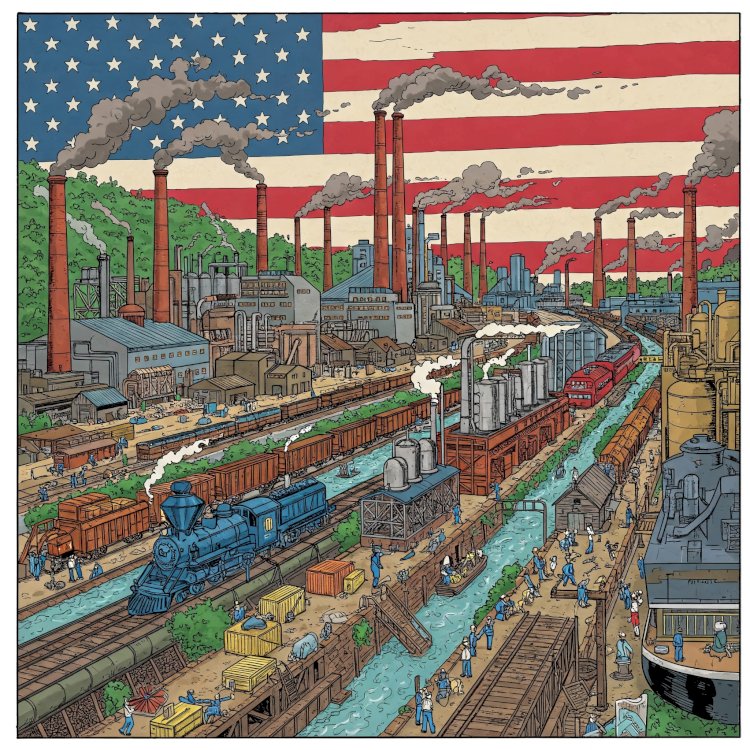
This decline has had profound consequences, impacting not only the economy but also the social fabric of communities that once thrived on factory jobs. The narrative of lost jobs, shuttered factories, and the hollowing out of the industrial heartland has become a familiar, and often painful, part of the American experience.
In recent years, a renewed focus on revitalizing American manufacturing has emerged. Driven by concerns about national security, supply chain resilience, and the desire to bring back well-paying jobs, policymakers and business leaders are exploring strategies to reignite the nation's industrial engine. This blog post delves into the complexities of this endeavor, examining the factors that led to the decline of American heavy industry and the potential pathways for its resurgence.
The Ebb and Flow of American Industrial Power
The United States experienced an unprecedented industrial boom in the mid-20th century. Industries like steel, automobiles, and machinery formed the backbone of the economy, providing millions of jobs and contributing significantly to the nation's GDP. Manufacturing's share of the GDP hovered around 21-25% during the 1950s to 1970s, a period often romanticized as the golden age of American industry.
However, this dominance began to wane in the latter part of the century. Several factors contributed to this decline:
- Globalization and Outsourcing: The rise of globalization opened up new avenues for companies to reduce costs by moving production to countries with lower labor wages and less stringent regulations. This trend of outsourcing manufacturing jobs became increasingly prevalent, impacting various sectors of American industry.
- Technological Advancements and Automation: While technological advancements have the potential to boost productivity, they also led to increased automation in manufacturing processes. This resulted in a reduced need for human labor in certain areas, contributing to job losses in some sectors.
- Shifting Economic Focus: The American economy gradually shifted its focus from manufacturing to services and technology. While these sectors are crucial for growth, the decline in manufacturing led to concerns about the balance and resilience of the overall economy.
- Trade Policies and Competition: Some argue that free trade agreements, while intended to foster economic growth, inadvertently created an environment where foreign competition couldUndermine domestic producers. Issues like unfair trade practices and currency manipulation by other nations have also been cited as contributing factors.
The consequences of this industrial decline have been far-reaching. Beyond the economic impact of job losses and reduced GDP contribution, there have been social and community-level effects. Many towns and cities that heavily relied on manufacturing witnessed a decline in population, economic hardship, and a sense of lost identity.
The Push for an Industrial Renaissance
In recent years, there has been a growing recognition of the importance of a strong domestic manufacturing sector. This has led to renewed efforts aimed at revitalizing American industry. Several key drivers are behind this push:
- National Security Concerns: The COVID-19 pandemic exposed vulnerabilities in global supply chains, particularly for essential goods like medical supplies and pharmaceuticals. This highlighted the importance of having a robust domestic manufacturing base for national security and resilience.
- Economic Prosperity and Job Creation: Bringing manufacturing back to the United States is seen as a way to create well-paying jobs, boost economic growth, and reduce income inequality. Manufacturing jobs often have a significant multiplier effect, supporting other businesses and industries within the local economy.
- Supply Chain Resilience: Geopolitical tensions and disruptions to global trade have underscored the need for more resilient and localized supply chains. Reshoring production can reduce reliance on distant suppliers and mitigate the risks associated with international disruptions.
- Technological Leadership and Innovation: A strong domestic manufacturing sector is crucial for fostering innovation and maintaining technological leadership. It provides a platform for developing and implementing new technologies, processes, and products.
Examining Strategies for Rebuilding Industrial Might
Various strategies have been proposed and implemented to encourage the resurgence of American manufacturing. These include:
- Government Initiatives and Policies: The government plays a crucial role in shaping the industrial landscape through policies related to trade, taxation, regulation, and investment. Initiatives aimed at providing incentives for domestic production, supporting research and development, and investing in infrastructure are considered vital.
- Trade Policies and Tariffs: The use of tariffs and other trade measures has been employed to protect domestic industries from unfair foreign competition and encourage companies to bring production back to the United States. The effectiveness and potential drawbacks of such policies remain a subject of ongoing debate.
- Investing in Workforce Development: A skilled workforce is essential for a thriving manufacturing sector. Investments in education, training programs, and apprenticeships are needed to equip American workers with the skills required for modern manufacturing jobs, which increasingly involve advanced technologies and automation.
- Promoting Innovation and Technology Adoption: Supporting research and development, fostering collaboration between industry and academia, and encouraging the adoption of advanced manufacturing technologies can enhance the competitiveness of American firms.
- Strengthening Supply Chains: Efforts to diversify supply chains, build regional manufacturing ecosystems, and invest in domestic sourcing of critical materials can enhance the resilience and security of American industry.
The Role of Leadership in Industrial Revival
The vision and policies of political leaders can significantly influence the trajectory of a nation's industrial sector. A strong commitment from leadership to prioritize manufacturing, implement supportive policies, and foster a favorable business environment is crucial for attracting investment and driving growth.
Examining past and present approaches to industrial policy can provide valuable insights into what strategies are most effective in achieving the goal of revitalizing American manufacturing. Understanding the successes and failures of different initiatives can help policymakers refine their approaches and maximize the impact of their efforts.
Navigating the Challenges Ahead
While the desire to rebuild American manufacturing is strong, several challenges need to be addressed:
- Global Competition: The global landscape of manufacturing is highly competitive. Countries with lower labor costs and established industrial bases pose a significant challenge to American firms.
- Automation and the Future of Work: The increasing automation of manufacturing processes raises questions about the future of work and the types of skills that will be needed in the industry. Adapting to these changes through education and training is crucial.
- Supply Chain Complexities: Rebuilding domestic supply chains can be a complex and time-consuming process, requiring significant investment and coordination across various industries.
- Skilled Labor Shortages: There is a growing concern about a shortage of skilled workers in manufacturing. Addressing this requires investments in vocational training and efforts to make manufacturing careers more attractive to young people.
- Cost Competitiveness: Ensuring that American-made goods are cost-competitive with imports is a significant challenge. Factors like labor costs, regulatory burdens, and energy prices play a role in this equation.
The Promise of a Manufacturing Renaissance
Despite the challenges, there is a sense of optimism about the potential for a manufacturing renaissance in the United States. Advances in technology, such as artificial intelligence, robotics, and 3D printing, are creating new opportunities for innovation and efficiency in manufacturing.
The growing awareness of the importance of domestic production for national security and economic resilience is also creating a more favorable environment for reshoring and investment in American manufacturing. By strategically addressing the challenges and capitalizing on these opportunities, the United States can potentially rebuild its industrial might and secure a more prosperous future.
Conclusion: A Long-Term Commitment
Revitalizing American heavy industry is not a short-term fix but rather a long-term commitment that requires sustained effort from government, businesses, labor, and communities. It involves strategic investments, supportive policies, a focus on innovation and workforce development, and a recognition of the crucial role that manufacturing plays in the nation's economic and social well-being.
While the path ahead may be complex, the potential rewards of a thriving American manufacturing sector – including job creation, economic growth, and enhanced national security – make the journey a worthwhile and necessary one. The story of American industry is still being written, and the next chapter holds the promise of a renewed era of industrial strength and innovation.
What's Your Reaction?