Investigating the Psychological Effects of Social Media Use on Teenagers
The digital landscape has fundamentally transformed the adolescent experience, with social media platforms becoming integral to teenage social development and daily routines. Recent research reveals that American teenagers spend an average of 4.8 hours daily across various social media platforms, with 51?dicating at least four hours per day to these digital environments[1][2]. This extensive engagement raises critical questions about the psychological ramifications of sustained social media use during a particularly vulnerable developmental period. Current evidence suggests that while social media offers valuable opportunities for connection and self-expression, it also presents significant risks to adolescent mental health, including increased rates of anxiety, depression, and compromised self-esteem.
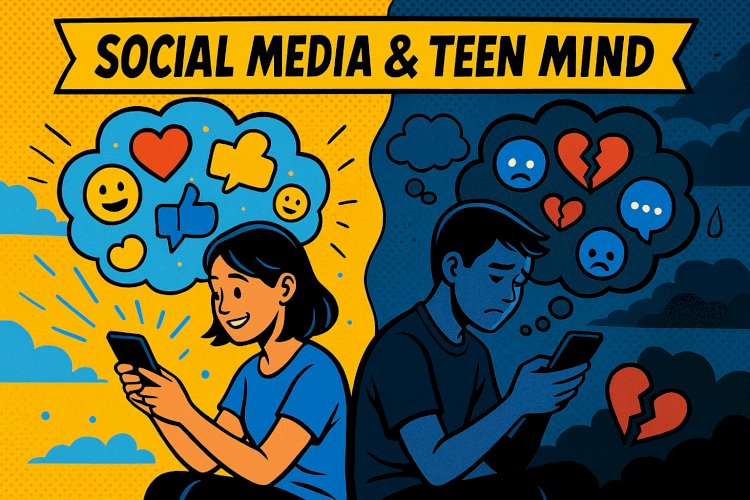
The relationship between digital engagement and psychological well-being is complex, influenced by factors such as usage patterns, platform-specific features, gender differences, and individual psychological predispositions.
Defining Social Media Use in Adolescents
Contemporary Usage Patterns and Platform Preferences
The current landscape of adolescent social media engagement is characterized by remarkable diversity in platform preferences and usage intensity. According to recent comprehensive surveys, YouTube emerges as the most widely accessed platform among teenagers, with 93% reach in 2023, followed by TikTok (63%), Snapchat (60%), and Instagram (59%)[3][2]. These platforms have effectively displaced earlier social networking sites, with Facebook experiencing a dramatic decline from 71% usage in 2014-2015 to just 33% today among teens[3]. The shift reflects broader changes in how adolescents conceptualize social interaction and content consumption in digital spaces.
Daily engagement patterns reveal the profound integration of social media into teenage routines. Approximately 71% of teens visit YouTube daily, while 58% are daily TikTok users, including 17% who describe their usage as "almost constant"[3]. Instagram and Snapchat maintain substantial daily user bases at approximately 50% each, with notable differences in constant usage patterns between platforms[3]. These statistics underscore that social media engagement extends far beyond casual browsing, representing a significant portion of adolescents' waking hours and cognitive attention.
Gender and Age Disparities in Usage
Demographic analysis reveals distinct patterns in social media consumption across gender and age lines. Girls consistently demonstrate higher usage rates, spending an average of 5.3 hours daily on social platforms compared to 4.4 hours for boys[1][2]. This gender gap manifests not only in duration but also in platform preferences, with girls gravitating toward TikTok for extended periods while boys show preference for YouTube[2]. The disparity suggests fundamental differences in how male and female adolescents utilize social media for social connection, entertainment, and self-expression.
Age progression within adolescence also significantly influences usage patterns. Average daily social media time ranges from 4.1 hours for 13-year-olds to 5.8 hours for 17-year-olds, indicating increasing digital integration as teens approach adulthood[1]. This escalation coincides with critical developmental milestones including identity formation, peer relationship intensification, and preparation for independence. The timing suggests that social media engagement becomes increasingly central to adolescent development rather than merely serving as entertainment or communication tools.
Key Psychological Constructs Affected
Depression and Anxiety Prevalence
The relationship between social media use and depressive symptoms has emerged as one of the most thoroughly documented areas of concern in adolescent mental health research. Studies consistently demonstrate that teenagers who exceed seven hours of daily social media use are more than twice as likely to have been diagnosed with depression or to have received mental health treatment compared to peers with minimal usage[4]. Furthermore, analysis reveals that 41% of teens with the highest social media use rate their overall mental health as "poor or very poor," compared to only 23% of those with the lowest usage patterns[5].
The temporal correlation between rising social media adoption and increasing depression rates provides additional evidence for this relationship. Research indicates that teen depressive symptoms and suicide rates showed marked increases between 2010 and 2015, coinciding precisely with the period of widespread social media platform adoption[4]. This temporal alignment, while not establishing definitive causation, suggests that digital engagement may contribute to broader patterns of adolescent mental health deterioration observed across multiple demographic groups.
Recent longitudinal research has begun to illuminate the bidirectional nature of this relationship. A comprehensive diary study involving 479 adolescents found that while depressed teenagers did not differ from their non-depressed peers in posting frequency or scrolling time, they experienced significantly more negative outcomes from their social media interactions[6]. Specifically, depressed adolescents reported feeling twice as insecure after scrolling sessions and nearly twice as rejected during online communications with friends[6]. These findings suggest that mental health status fundamentally alters how teenagers process and internalize social media experiences.
Self-Esteem and Body Image Challenges
Social media platforms have created unprecedented opportunities for adolescents to engage in social comparison, a psychological process that significantly impacts self-esteem and body image formation. The constant exposure to carefully curated content from peers and influencers establishes unrealistic standards that many teenagers struggle to meet[7]. This phenomenon is particularly pronounced among adolescents with existing mental health vulnerabilities, who are more likely to internalize negative comparisons and experience diminished self-worth when their social media engagement fails to generate expected validation[7].
The quantifiable nature of social media feedback through likes, comments, and shares creates what researchers term "online validation seeking," where adolescents increasingly depend on digital metrics to gauge their social worth and personal value[7]. When anticipated validation fails to materialize, teenagers frequently experience significant emotional distress, interpreting low engagement as personal rejection or inadequacy[7]. This dependency on external validation can undermine the development of intrinsic self-worth and autonomous identity formation during critical developmental years.
Research indicates that 17% of the highest social media users express poor body image compared with only 6% of the lowest users, highlighting the platform's role in perpetuating appearance-focused concerns[5]. Female adolescents appear particularly susceptible to these effects, with studies showing that social media content impacts women more negatively than men in terms of body perception, lifestyle expectations, and overall self-esteem[8]. The visual nature of platforms like Instagram and TikTok amplifies these concerns by emphasizing physical appearance and lifestyle presentation as primary measures of social success.
Attention and Cognitive Function Impacts
The design features of social media platforms, particularly their reliance on intermittent variable reward schedules, create neurological responses similar to those observed in addictive behaviors. Research demonstrates that social media use triggers dopamine release patterns comparable to those seen with substance use, particularly when adolescents receive positive feedback through likes, shares, or comments[4]. This neurochemical response can establish dependency patterns that interfere with adolescents' ability to regulate their digital consumption and focus attention on non-digital activities.
The constant availability of social media content through smartphones has fundamentally altered adolescent attention patterns and cognitive processing capabilities. Many experts believe that sustained exposure to social media's rapid content shifts and constant stimulation pushes the adolescent nervous system into persistent fight-or-flight mode, exacerbating existing conditions such as ADHD, anxiety, and oppositional defiant disorder[4]. The resulting cognitive fragmentation can impair academic performance, reduce capacity for sustained concentration, and interfere with the development of deep thinking skills necessary for complex problem-solving.
Mechanisms of Influence
Social Comparison Theory in Digital Contexts
Social comparison theory, first proposed by Leon Festinger in 1954, provides a crucial framework for understanding how social media affects adolescent psychological development[9]. The theory suggests that individuals evaluate their personal and social worth by comparing themselves to others, and social media platforms have dramatically amplified both the frequency and scope of these comparisons[9]. Unlike traditional social comparison contexts that were limited to immediate peer groups and occasional observations, social media exposes teenagers to constant streams of curated content from diverse social circles, celebrities, and influencers.
The digital environment facilitates both upward and downward social comparisons, but research suggests that upward comparisons—where adolescents compare themselves to those perceived as superior—predominate on social media platforms[9]. These upward comparisons often focus on appearance, lifestyle, achievements, and social connections, creating persistent feelings of inadequacy among teenagers whose real-world experiences cannot match the carefully edited presentations they encounter online. The asymmetric nature of social media presentation, where positive experiences are overrepresented while struggles and failures remain hidden, skews the comparison process toward unrealistic standards.
Gender differences in social comparison processes have emerged as particularly significant factors in determining psychological outcomes. Research indicates that girls are more likely to use social media for emotion bonding, appearance validation, and social compensation compared to boys, who focus more on competitive activity bonding[10]. These different usage patterns correspond to distinct vulnerability profiles, with girls experiencing greater risks related to body image and social acceptance while boys face different challenges related to competitive performance and status achievement.
Fear of Missing Out (FOMO) and Social Anxiety
Fear of Missing Out has evolved from a peripheral concern to a central psychological phenomenon driving adolescent social media engagement. FOMO encompasses the persistent worry that others are having more rewarding experiences or possess superior social connections, creating compulsive needs to stay constantly connected to social media feeds[11]. Research indicates that three-quarters of young adults report experiencing FOMO, with individuals under 30 demonstrating particularly high susceptibility to these feelings[11].
The relationship between FOMO and social media use creates self-reinforcing cycles that intensify both anxiety and digital dependency. Adolescents experiencing high FOMO levels use social media more frequently than their peers, particularly during vulnerable periods such as immediately after waking, before sleeping, and during meals[11]. This constant connectivity paradoxically increases rather than alleviates FOMO, as exposure to others' activities generates additional concerns about missing alternative experiences. The resulting pattern can lead to social media checking behaviors that interfere with sleep, academic performance, and real-world social interactions.
FOMO's impact extends beyond simple anxiety to encompass broader disruptions in adolescent development and safety. Research has documented associations between FOMO and distracted driving, as teenagers struggle to resist checking social media even during potentially dangerous activities[11]. The compulsive nature of FOMO-driven social media use can also interfere with the development of self-regulation skills and tolerance for uncertainty, both crucial competencies for healthy psychological development during adolescence.
Cyberbullying and Digital Harassment
The anonymous and often persistent nature of digital communication has created new avenues for peer aggression that can severely impact adolescent mental health. Recent data indicates a 70% increase in hate speech among children and teens across social media platforms and chat forums, demonstrating the growing prevalence of toxic online interactions[4]. Unlike traditional bullying that was typically confined to school hours and specific locations, cyberbullying can follow teenagers into their homes and private spaces, creating no safe refuge from harassment.
The psychological impact of cyberbullying often exceeds that of in-person aggression due to several unique characteristics of digital harassment. Online bullying can reach wider audiences through sharing and screenshots, amplifying the humiliation and social consequences for victims[4]. The permanent nature of digital content means that harmful messages or images can resurface repeatedly, preventing victims from moving past traumatic experiences. Additionally, the anonymity possible in digital spaces can embolden perpetrators to engage in more severe harassment than they would attempt in face-to-face interactions.
Certain adolescent populations face disproportionate risks of cyberbullying and online harassment. LGBTQ youth and girls experience higher rates of digital harassment, with corresponding increases in anxiety, depression, and other negative psychological outcomes[12]. The intersection of identity-based harassment with the already challenging process of adolescent identity formation can create particularly severe and long-lasting psychological consequences that extend well beyond the immediate experience of online aggression.
Moderating Factors and Individual Differences
Personality Traits and Individual Vulnerability
Individual personality characteristics significantly influence how adolescents experience and respond to social media environments. Research utilizing the Big Five personality framework has identified conscientiousness as a particularly crucial factor in determining social media's psychological impact[1]. Adolescents scoring in the lowest quartile for conscientiousness—indicating lower self-control and self-regulation—spend an average of 1.2 hours more on social media daily than their highly conscientious peers[1]. This extended usage often correlates with greater susceptibility to negative psychological outcomes including anxiety, depression, and social comparison difficulties.
The relationship between personality traits and social media effects extends beyond simple usage duration to encompass qualitative differences in platform engagement. Adolescents with lower emotional stability, reduced openness to experience, and decreased agreeableness demonstrate stronger negative correlations with social media use outcomes[1]. These findings suggest that teenagers with certain personality profiles may be particularly vulnerable to social media's potentially harmful effects, requiring targeted interventions and support strategies tailored to their individual psychological characteristics.
Extroversion presents a complex moderating factor, as it can both protect against and exacerbate social media-related difficulties. While extroverted adolescents may benefit from social media's connection opportunities, they may also be more susceptible to FOMO and social comparison pressures due to their heightened sensitivity to social feedback and peer approval. Understanding these personality-based vulnerabilities can inform more personalized approaches to digital wellness education and mental health support for adolescents.
Gender Differences in Psychological Impact
Gender emerges as one of the most significant moderating factors in determining how social media affects adolescent psychological well-being. Research consistently demonstrates that girls experience more negative psychological outcomes from social media use than boys, with 13% of girls showing signs of problematic social media behavior compared to 9% of boys[13]. These gender differences manifest across multiple psychological domains including body image, social anxiety, and emotional regulation challenges.
The divergent impact patterns reflect fundamental differences in how male and female adolescents utilize social media platforms. Girls demonstrate greater preference for emotion bonding, appearance validation, and social compensation functions, while boys focus more on competitive activity bonding and information consumption[10]. These usage patterns correspond to different vulnerability profiles, with girls experiencing heightened risks related to appearance-based social comparison and relational aggression, while boys face distinct challenges related to gaming addiction and competitive social hierarchies.
Feminist analysis of social media's gendered impacts reveals broader cultural factors that amplify platform-specific risks for girls. The emphasis on visual presentation and lifestyle curation on platforms like Instagram and TikTok intersects with existing societal pressures regarding female appearance and behavior, creating particularly intense environments for girls navigating adolescent identity formation[8]. Additionally, girls report higher rates of constant contact with friends online (44% among 15-year-old girls) compared to boys, potentially increasing exposure to both supportive and harmful social interactions[13].
Parental Influence and Family Dynamics
Family relationships and parental monitoring strategies serve as crucial protective factors that can significantly moderate social media's psychological impact on adolescents. Research reveals striking differences in mental health outcomes based on parental involvement, with 60% of high-frequency social media users who experience low parental monitoring and weak family relationships reporting poor mental health, compared to only 25% of high-frequency users with strong parental relationships and monitoring[5]. These findings underscore the critical role of family support in buffering against social media-related risks.
The quality of parent-child relationships appears to be particularly influential in determining psychological outcomes. Among adolescents with the highest social media usage, those with strong family relationships show dramatically lower rates of suicidal ideation and self-harm thoughts (2%) compared to peers with poor parental relationships and monitoring (22%)[5]. This protective effect suggests that open communication, emotional support, and appropriate boundary-setting can help adolescents navigate social media challenges more effectively while maintaining psychological well-being.
Effective parental monitoring requires balancing adolescent autonomy with appropriate supervision and guidance. The American Psychological Association recommends that parents actively monitor social media accounts for children under 15, while research suggests that monitoring strategies should evolve with adolescent development to maintain effectiveness without undermining trust[14]. Successful approaches often combine technological monitoring tools with regular conversations about digital citizenship, online safety, and healthy technology use patterns.
Interventions and Mitigation Strategies
Digital Wellness Tools and Applications
The growing recognition of social media's potential psychological harms has spurred development of various digital wellness tools designed to help adolescents manage their online experiences more effectively. Contemporary applications focus on multiple intervention approaches including mindfulness training, mood tracking, anxiety reduction techniques, and social media usage monitoring[15]. These tools attempt to provide teenagers with practical skills for managing their emotional responses to social media interactions while developing greater self-awareness regarding their digital consumption patterns.
Mindfulness-based interventions have shown particular promise in helping adolescents develop healthier relationships with social media platforms. Applications offering guided meditations, breathing exercises, and emotional regulation techniques can provide teenagers with immediate coping strategies when experiencing social media-related anxiety or distress[15]. Additionally, mood tracking features help adolescents identify patterns between their social media use and emotional states, potentially increasing their awareness of problematic usage behaviors and their psychological consequences.
Dialectical Behavior Therapy (DBT) skills applications represent another innovative approach to supporting adolescent digital wellness. These platforms teach evidence-based emotional regulation techniques through video lessons, animations, and guided exercises that teenagers can access during moments of social media-related distress[15]. The accessibility and anonymity of these digital tools may appeal to adolescents who might be reluctant to seek traditional mental health services, potentially expanding the reach of effective interventions.
School-Based Mental Health Programs
Educational institutions have emerged as crucial venues for implementing comprehensive mental health interventions that address social media-related psychological challenges. The National Center for School Mental Health defines school-based mental health services as interventions designed to enhance students' social, emotional, and behavioral adjustment while supporting overall well-being[16]. These programs range from universal prevention efforts targeting entire student populations to intensive individualized interventions for students experiencing significant mental health challenges.
School-based interventions offer several advantages for addressing social media-related psychological issues among adolescents. The universal reach of educational systems ensures that interventions can access diverse student populations, including those who might not otherwise receive mental health services due to financial constraints or family barriers[16]. Research indicates that over 75% of adolescents who receive mental health treatment obtain these services through school-based programs, highlighting the critical role of educational institutions in supporting student psychological well-being[16].
Effective school-based programs typically integrate digital citizenship education with mental health awareness and coping skills training. These comprehensive approaches help students develop critical thinking skills regarding social media content while simultaneously building emotional regulation capabilities necessary for managing online interactions. Collaboration between school mental health professionals and pediatricians can strengthen the medical home model and improve identification of students at risk for social media-related psychological difficulties[16].
Parental Education and Support Strategies
Comprehensive parent education programs have emerged as essential components of effective interventions addressing social media's psychological impact on adolescents. These programs focus on helping parents understand contemporary digital landscapes, recognize signs of problematic social media use, and implement appropriate monitoring and support strategies[14]. Effective parental education emphasizes the importance of maintaining open communication channels with adolescents while respecting their developmental needs for increased autonomy and privacy.
Research-informed parental strategies include establishing technology-free zones and hours within family homes, modeling appropriate technology use behaviors, and engaging in regular conversations about online experiences and challenges[17]. Parents are encouraged to provide full attention to their children during interactions and to create structured opportunities for non-digital activities that can build self-esteem and social skills[17]. These approaches help establish family cultures that prioritize face-to-face relationships while maintaining appropriate boundaries around technology use.
The timing and approach of parental interventions significantly influence their effectiveness in supporting adolescent digital wellness. Early intervention during pre-adolescent years appears most effective for establishing healthy technology use patterns, while interventions during mid-adolescence require greater sensitivity to teenagers' autonomy needs and peer relationships[14]. Successful parental approaches often emphasize collaboration and shared decision-making regarding technology boundaries rather than authoritarian control strategies that may provoke conflict or encourage secretive behavior.
Conclusion
The investigation into social media's psychological effects on teenagers reveals a complex landscape of both opportunities and risks that require nuanced understanding and multifaceted intervention approaches. Current research demonstrates that adolescents' extensive engagement with social media platforms—averaging 4.8 hours daily—intersects with critical developmental processes including identity formation, peer relationship development, and emotional regulation skill acquisition. While these digital environments offer valuable opportunities for social connection, creative expression, and information access, they also present significant challenges to adolescent mental health through mechanisms including social comparison, FOMO, cyberbullying, and attention disruption.
The evidence clearly indicates that social media's psychological impact varies substantially based on individual characteristics, usage patterns, and environmental factors. Gender differences emerge as particularly significant, with girls experiencing greater risks related to body image, social anxiety, and emotional difficulties, while personality traits such as conscientiousness serve as important protective or vulnerability factors. Crucially, family relationships and parental monitoring strategies can provide substantial protection against negative outcomes, even among adolescents with high social media usage levels.
Moving forward, effective approaches to supporting adolescent digital wellness must integrate multiple intervention strategies including digital literacy education, school-based mental health programs, parental support initiatives, and continued development of evidence-based therapeutic tools. The goal should not be to eliminate social media from teenage experiences but rather to help adolescents develop the skills, awareness, and support systems necessary to navigate these digital environments while maintaining psychological well-being. Continued research focusing on protective factors, intervention effectiveness, and the evolving digital landscape will be essential for supporting healthy adolescent development in an increasingly connected world.
- https://news.gallup.com/poll/512576/teens-spend-average-hours-social-media-per-day.aspx
- https://www.statista.com/statistics/1451257/us-teens-hours-spent-social-networks-per-day/
- http://digital-leadership-associates.passle.net/post/102ivhe/teens-and-how-they-will-use-social-media-in-2024
- https://www.newportacademy.com/resources/well-being/effect-of-social-media-on-teenagers/
- https://www.apa.org/monitor/2024/04/teen-social-use-mental-health
- https://www.nature.com/articles/s41598-025-89762-y
- https://www.radnor-sevenoaks.org/from-likes-to-lows-the-emotional-toll-of-online-validation
- https://www.bu.edu/com/articles/social-media-negatively-impacts-women-more-than-men-americans-say-in-survey/
- https://www.verywellmind.com/what-is-the-social-comparison-process-2795872
- https://www.frontiersin.org/journals/psychology/articles/10.3389/fpsyg.2022.1011951/full
- https://www.newportacademy.com/resources/empowering-teens/how-to-overcome-fomo/
- https://lumatehealth.com/the-correlation-between-social-media-and-anxiety-in-teens/
- https://www.who.int/europe/news/item/25-09-2024-teens--screens-and-mental-health
- https://www.brightcanary.io/pros-and-cons-of-parents-monitoring-social-media/
- https://www.chconline.org/resourcelibrary/digital-mental-health-tools-for-teens-and-young-adults-downloadable/
- https://www.aap.org/en/patient-care/mental-health-minute/school-based-mental-health/
- https://childmind.org/article/how-using-social-media-affects-teenagers/
What's Your Reaction?