The Rise of "Hao Men" Dreams and Wife Training Academies
China's rapid economic growth has brought about significant societal changes, including evolving attitudes towards marriage and social mobility. In this climate, a controversial phenomenon has emerged: "wife training camps." These exclusive establishments promise to equip young women with the skills and knowledge to attract and marry wealthy men. But beneath the veneer of etiquette lessons and social graces lies a darker side, prompting critical questions about ethics, societal values, and the commodification of marriage.
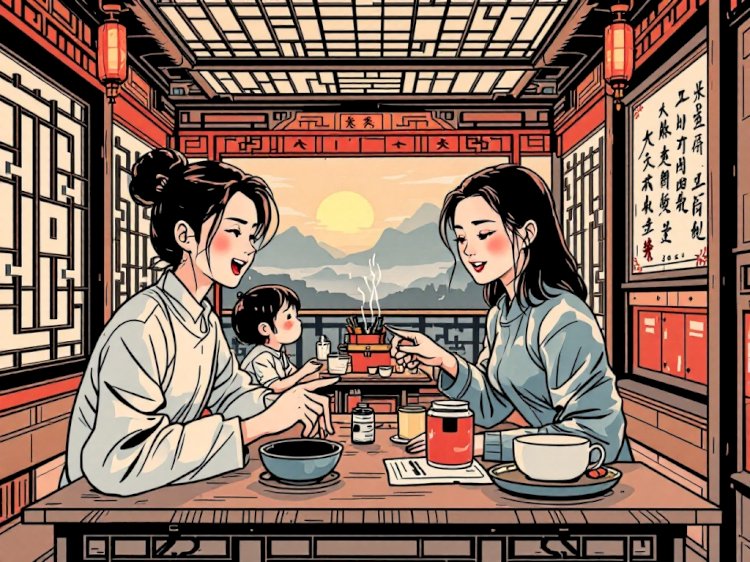
The allure of marrying into wealth, or "Hao Men" (豪门), has become a potent aspiration for some young women in China. This dream is fueled by the perception that marrying rich is a fast track to upward social mobility and a life of luxury. Capitalizing on this desire, a burgeoning industry of "wife training camps" has sprung up in major Chinese cities. These camps, often operating discreetly, offer intensive courses designed to transform ordinary women into ideal wives for the ultra-rich.
Inside the "Wife Training Camp" Curriculum
These camps are far from your average finishing school. The curriculum is meticulously crafted, covering a wide range of skills deemed essential for navigating the world of wealthy elites. Based on observations and reports, the training typically includes:
- Etiquette and Social Graces: 学员 (xuéyuán), or students, are drilled in Western and Chinese etiquette, from table manners at high-society dinners to navigating cocktail parties and luxury events. They learn how to pour wine, engage in sophisticated conversations, and maintain impeccable posture.
- Image and Personal Branding: Appearance is paramount. The camps provide makeovers, styling advice, and lessons on dressing in designer clothing. Students are taught how to cultivate a polished and elegant image that appeals to affluent men. This often includes adopting a specific aesthetic and learning about luxury brands.
- Conversation and Communication Skills: 学员 are taught how to converse with wealthy and influential individuals. This includes learning about topics that interest the elite, such as business, finance, art, and travel. They also practice active listening and engaging in "appropriate" feminine conversation.
- "Feminine Virtues" and Traditional Values: Paradoxically, while aiming for a modern form of social climbing, some camps emphasize traditional feminine virtues. This can include lessons on being docile, supportive, and prioritizing family, values often seen as desirable by older, wealthy men seeking traditional wives.
- "Husband Hunting" Strategies: Some camps go as far as coaching women on how to strategically "hunt" for wealthy husbands. This might involve attending exclusive events, using dating apps frequented by the wealthy, and learning how to subtly attract attention from desirable targets.
The Ethical Quagmire: Commodification of Marriage and Erosion of Values?
The existence of wife training camps raises profound ethical questions. Critics argue that these camps represent the commodification of marriage, reducing it to a calculated transaction rather than a union based on love, mutual respect, and shared values.
- Erosion of Traditional Values: The video and related discussions online question whether these camps are eroding traditional Chinese values. While traditional values historically emphasized marriage as a means of social stability and advancement, the camps seem to be pushing this to an extreme, where personal gain and material wealth overshadow genuine connection and emotional bonds.
- Reinforcing Gender Stereotypes: These camps often reinforce outdated gender stereotypes, portraying women primarily as ornaments or status symbols for wealthy men. They perpetuate the idea that a woman's primary value lies in her ability to attract and marry a rich husband, rather than her individual achievements and capabilities.
- Social Inequality and Class Division: The "wife training camp" phenomenon highlights the growing social inequality in China. It underscores the desperation of some to climb the social ladder and the lengths they are willing to go to achieve upward mobility. This can exacerbate class divisions and create resentment within society.
- Psychological Impact on Women: The intensive training and pressure to conform to an "ideal wife" image can have negative psychological impacts on women. It can foster insecurity, self-doubt, and a sense of inadequacy if they fail to meet the camps' unrealistic standards or find themselves inauthentic relationships.
Social Mobility, Marriage Markets, and the "Sheng Nu" Phenomenon
To understand the context of wife training camps, it's crucial to consider the broader social landscape in China.
- Limited Social Mobility: While China has experienced rapid economic growth, social mobility remains a challenge for many. Opportunities for upward mobility through education and career advancement may be limited, leading some to see marriage as an alternative pathway to a better life.
- The Marriage Market and Gender Imbalance: China's marriage market is complex, influenced by factors like the historical one-child policy, which resulted in a gender imbalance. This imbalance, coupled with traditional preferences for sons, has led to a surplus of men and increased pressure on women to marry "up."
- "Sheng Nu" - Leftover Women: The term "Sheng Nu" (剩女), or "leftover women," is used to describe unmarried women in their late twenties and beyond, particularly those with higher education and successful careers. These women face societal pressure to marry and are often stigmatized for remaining single. In this context, wife training camps can be seen as catering to women who feel pressure to marry and see marrying rich as a desirable option, perhaps even a necessity to avoid being labeled "Sheng Nu."
A Reflection on Modern Values and Relationships
The phenomenon of "wife training camps" in China serves as a stark reflection of modern societal values and the evolving nature of relationships. It compels us to consider:
- What is the true value of marriage? Is it primarily a strategic alliance for social and economic advancement, or should it be based on love, companionship, and shared values?
- How do societal pressures and economic disparities shape our choices in relationships? To what extent are women driven to seek marriage as a means of social mobility due to limited opportunities in other areas?
- What are the ethical implications of industries that commodify relationships and reinforce harmful gender stereotypes? Do these camps empower women or exploit their vulnerabilities and perpetuate societal inequalities?
The rise of "wife training camps" is a complex issue with no easy answers. It highlights the tensions between tradition and modernity, individual aspirations and societal expectations, and economic realities and ethical considerations in contemporary China. As this phenomenon continues to evolve, it is crucial to engage in critical discussions about its implications for individuals, relationships, and the broader values of society.
What's Your Reaction?