Cross-Cultural Perspectives on Mental Health: Perception and Treatment
Mental health represents a complex intersection of biological, psychological, and social factors that manifest differently across cultures worldwide. This comprehensive examination reveals how cultural beliefs, values, and practices fundamentally shape the understanding, experience, and treatment of mental health conditions across diverse societies.
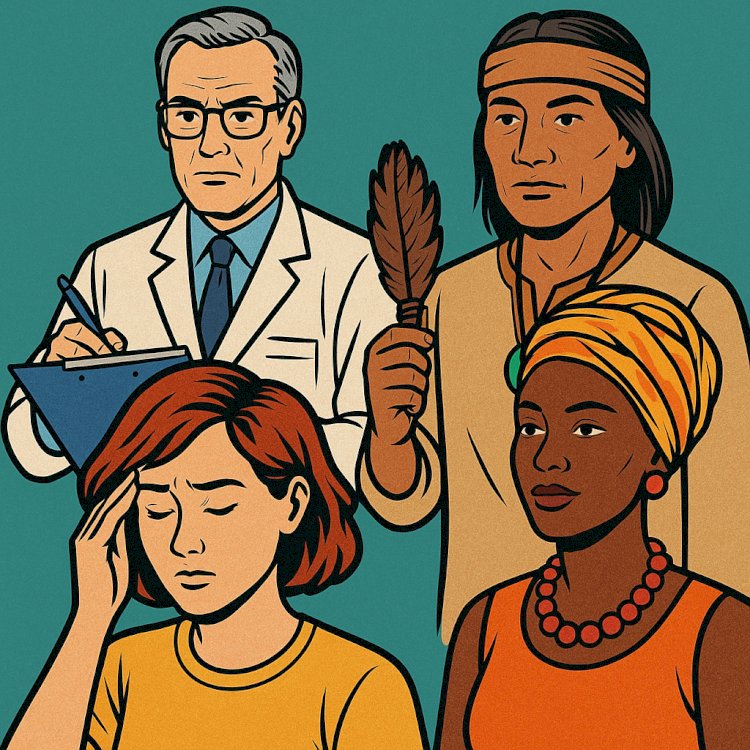
From Western biomedical models to traditional healing practices in Africa and Asia, each cultural framework offers unique insights into mental wellness and therapeutic approaches. The research demonstrates that while mental health challenges are universal, their interpretation, stigmatization, and treatment vary dramatically based on cultural context, historical experiences, and socioeconomic factors. Understanding these cross-cultural perspectives is essential for developing more inclusive, effective, and culturally sensitive mental health interventions in our increasingly interconnected world.
Cultural Definitions of Mental Health
The conceptualization of mental health varies significantly across cultures, reflecting deeply embedded beliefs about human nature, wellness, and the relationship between individual and community well-being. Western cultures typically embrace a biomedical model that views mental health disorders as individual pathologies requiring clinical intervention, emphasizing diagnostic criteria and evidence-based treatments[1]. In contrast, many non-Western cultures perceive mental distress through a more holistic lens that incorporates spiritual, social, and communal dimensions of well-being.
Asian cultures, particularly those influenced by Confucian philosophy, often conceptualize mental health in terms of social harmony and collective responsibility rather than individual pathology[2]. The concept of "face" plays a crucial role in how mental health is understood, where psychological distress is often viewed as a disruption of social order rather than a personal medical condition[3][4]. This collectivist perspective influences how symptoms are expressed, with many Asian individuals presenting mental health concerns through somatic complaints rather than emotional symptoms, despite acknowledging psychological distress when questioned directly[5].
African cultures frequently incorporate spiritual and supernatural explanations for mental health conditions, viewing psychological distress as potentially caused by ancestral displeasure, spiritual imbalances, or community conflicts[2][6]. Traditional African frameworks often emphasize the interconnectedness of physical, mental, and spiritual health, requiring healing approaches that address all dimensions simultaneously. This comprehensive understanding differs markedly from Western approaches that tend to separate psychological treatment from spiritual or community-based interventions.
Indigenous communities worldwide maintain their own unique conceptualizations of mental wellness that are deeply rooted in cultural identity, connection to land, and traditional practices[7]. These perspectives often emphasize the importance of cultural continuity, intergenerational knowledge transmission, and community belonging as fundamental components of mental health. The assertion that "our culture is our treatment" reflects a growing recognition that traditional healing practices may be more effective than conventional Western therapies for addressing mental health challenges within Indigenous populations[7].
Mental Health Stigma and Social Attitudes
Cultural stigma surrounding mental health represents one of the most significant barriers to treatment and recovery across diverse societies worldwide. The manifestation and intensity of this stigma vary considerably based on cultural beliefs, historical contexts, and social structures that shape community attitudes toward psychological distress[4][8]. Research consistently demonstrates that stigmatization affects not only individuals experiencing mental health challenges but also extends to their families and broader social networks, creating complex layers of discrimination and shame.
In Asian societies, mental health stigma is particularly pronounced due to cultural values that emphasize personal strength, family honor, and social conformity[4][8][9]. The concept of "face" creates additional pressure, as mental illness is perceived as bringing shame to the entire family unit rather than affecting only the individual[3][9]. Studies reveal that approximately 35.2% of Chinese mental health professionals admit to discriminatory attitudes toward psychiatric patients, highlighting how deeply embedded these stigmatizing beliefs are within society[4]. This cultural context often prevents individuals from seeking help until their conditions become severe, as admitting to mental health struggles is viewed as a sign of personal weakness or failure of self-control[8][9].
African cultures present complex attitudes toward mental health that often involve supernatural explanations and traditional belief systems[2][8]. In many African societies, mental illness may be attributed to witchcraft, evil spirits, or divine punishment, leading to significant stigmatization and social exclusion[3][2]. These beliefs can result in individuals with mental health conditions being accused of supernatural involvement or facing violence and ostracism from their communities[3]. However, research also indicates that traditional healing approaches within African cultures can provide culturally appropriate support and community integration that may be more acceptable than Western psychiatric interventions[6].
Latin American cultures demonstrate the influence of familism, where family loyalty and collective support are prioritized over individual needs[3]. While this cultural value can provide strong social support networks, it can also create pressure to conceal mental health struggles to maintain family reputation and unity. Arab cultures often view mental illness as a form of divine punishment, leading to delayed or avoided treatment due to fear of social judgment and religious implications[8]. Western cultures, despite greater awareness of mental health issues, continue to struggle with misconceptions about dangerousness and unpredictability associated with mental illness, perpetuated by media representations and social stereotypes[10][8][11].
Traditional and Indigenous Approaches to Mental Illness
Traditional and indigenous healing practices offer diverse therapeutic approaches that often predate modern psychiatric interventions by centuries, providing culturally grounded alternatives to Western biomedical treatments. These approaches typically integrate spiritual, herbal, and community-based interventions that address mental health challenges within broader cultural and social contexts[6][12]. Research demonstrates that traditional healing methods can be particularly effective for individuals whose cultural backgrounds emphasize holistic wellness and community-centered recovery processes.
African traditional healing practices encompass multiple modalities including faith healing, divination, and herbal medicine administered within spiritual frameworks[6]. Faith healers utilize prayer, holy water ceremonies, baptism, and spiritual guidance to address mental health conditions, believing that prayer can expel negative forces and restore psychological balance[6]. Divination healers employ magical and witchcraft practices, claiming divine guidance to diagnose and treat mental health problems through counseling, demon casting, and ritual interventions[6]. Traditional healers often combine these spiritual approaches with herbal medications administered through various methods including drinking, bathing, smoking, and induced vomiting, though many practitioners maintain secrecy about specific herbal formulations[6].
Indigenous healing traditions, particularly shamanic practices, focus on addressing mental health challenges at what practitioners describe as the "soul level"[12]. Shamanic approaches include soul retrieval ceremonies designed to restore psychological wholeness after trauma, energy healing to clear emotional blockages, and connection to nature and spiritual guides for therapeutic support[12]. These practices emphasize symbolic and metaphorical healing through storytelling, ritual participation, and archetypal imagery that facilitates deep psychological transformation[12]. Native American communities have demonstrated particular success with culturally adapted interventions that combine traditional practices with modern therapeutic approaches, showing improved outcomes compared to conventional treatments alone[7].
The effectiveness of traditional healing approaches varies based on cultural context, severity of mental health conditions, and individual beliefs about treatment efficacy[6]. Studies indicate that many patients report subjective improvement and high satisfaction with traditional healing services, particularly due to their accessibility, cultural appropriateness, and community integration[6]. However, research also reveals concerning practices including human rights abuses by some traditional healers, highlighting the need for training and oversight to ensure safe and ethical treatment delivery[6]. The most promising outcomes appear to emerge from collaborative approaches that integrate traditional healing practices with modern psychiatric care, allowing individuals to benefit from both cultural authenticity and evidence-based interventions[6][7].
Access to Modern Mental Health Care
Access to modern mental health services reveals stark disparities across cultural, economic, and geographic boundaries, with profound implications for treatment outcomes and population well-being. The World Health Organization's Mental Health Atlas demonstrates that resource availability and service accessibility vary dramatically between high-income and low-income countries, creating significant barriers for populations most in need of mental health support[13]. These disparities are further complicated by cultural factors that influence help-seeking behaviors, treatment preferences, and therapeutic engagement across diverse communities.
Economic barriers represent the most fundamental obstacle to mental health care access, particularly affecting populations living in poverty and marginalized communities[14]. Research indicates that fewer than 15% of children experiencing poverty who need mental health care actually receive services, with even fewer completing treatment programs[14]. Conventional mental health service delivery models often fail to accommodate the practical realities of low-income families, including inflexible clinic hours, multiple intake appointments, and long waiting periods that conflict with work schedules and daily survival needs[14]. Insurance limitations and "carve out" provisions under managed care plans further restrict access to necessary mental health interventions, creating additional financial barriers for vulnerable populations.
Cultural minorities face particular challenges in accessing culturally appropriate mental health services, often experiencing discrimination, language barriers, and misunderstanding of their cultural backgrounds within mainstream healthcare systems[1][14]. African American and Hispanic children consistently show lower mental health service utilization rates compared to white children, even after controlling for income and insurance status[14]. These disparities persist due to factors including mistrust of mental health systems, fear of child removal by authorities, and preferences for informal family and community support networks over formal psychiatric interventions[14]. Rural populations, regardless of ethnicity, face geographic barriers including long travel distances to access mental health services and limited availability of culturally competent providers[14].
The globalization of mental health care has created both opportunities and challenges for improving service accessibility across cultures[15][16]. While increased connectivity has facilitated knowledge sharing and international protocol development, it has also highlighted vast inequities in resource distribution and service quality[15]. Studies demonstrate that globalization can have both positive and negative effects on mental health outcomes, with high-income countries showing different patterns compared to middle and low-income nations[16]. The emphasis on Western biomedical models in global mental health initiatives sometimes conflicts with local cultural preferences and traditional healing practices, necessitating more culturally sensitive approaches to service delivery and provider training[1][15].
Evolving Cultural Trends and Globalization Effects
Globalization has fundamentally transformed cultural attitudes toward mental health, creating complex interactions between traditional beliefs and modern psychiatric approaches across diverse societies worldwide. The process of globalization has increased ethnic and cultural diversity within mental health service systems, leading to broader ranges of attitudes, beliefs, and treatment preferences among both service users and providers[15]. This cultural mixing has created opportunities for cross-cultural learning while simultaneously highlighting persistent disparities in access to culturally appropriate care.
Media representation plays a crucial role in shaping global perceptions of mental health, often perpetuating stigmatizing attitudes through inaccurate portrayals of psychological disorders[10][11]. Television and film consistently depict individuals with mental illness as violent, unpredictable, and dangerous, contributing to widespread misconceptions that influence public attitudes and policy decisions[10]. Research demonstrates that regular media consumers hold more negative views toward mental illness compared to those with limited media exposure, suggesting that cultivation theory and social learning theory work together to reinforce stigmatizing beliefs[10]. These media influences become particularly problematic when they intersect with existing cultural stigmas, creating compounded barriers to help-seeking and treatment engagement.
Diaspora communities experience unique mental health challenges as they navigate between traditional cultural values and the demands of new social environments[17]. African diaspora populations face particular difficulties including isolation, discrimination, trauma, and acculturation stress while often having limited access to culturally competent mental health providers[17]. The intersectionality of multiple identities including race, gender, sexuality, class, religion, and migration status creates complex mental health needs that require specialized understanding and intervention approaches[17]. Organizations like Africans for Mental Health (AFMH) have emerged to address these challenges through education, advocacy, and culturally appropriate support services.
The relationship between globalization and mental health outcomes demonstrates a U-shaped curve pattern, where initial stages of globalization may increase mental health problems before eventual improvements emerge[16]. High-income countries show different globalization effects compared to middle and low-income nations, suggesting that economic development levels mediate the relationship between global integration and psychological well-being[16]. Political and social dimensions of globalization also influence mental health outcomes, with increased migration rates contributing to higher prevalence of migration-associated mental disorders in developed countries[15]. These evolving trends require comprehensive policy responses that protect populations from mental distress while promoting the benefits of global connectivity and cultural exchange.
Conclusion
The examination of cross-cultural perspectives on mental health reveals a complex landscape where traditional wisdom and modern science intersect in both complementary and conflicting ways. Cultural beliefs fundamentally shape how mental health is conceptualized, experienced, and treated across diverse societies, demonstrating that effective mental health interventions must account for cultural context rather than applying universal approaches. The research consistently shows that stigma remains a primary barrier to mental health care across all cultures, though its manifestations and underlying causes vary significantly based on historical, religious, and social factors specific to each cultural group.
Traditional and indigenous healing practices offer valuable insights into holistic approaches to mental wellness that address spiritual, community, and individual dimensions of psychological distress. The most promising outcomes emerge from collaborative models that integrate culturally appropriate traditional practices with evidence-based modern interventions, suggesting that cultural competence and respect for diverse healing traditions are essential components of effective mental health care. As globalization continues to transform societies worldwide, mental health systems must evolve to accommodate increasing cultural diversity while addressing persistent disparities in access and quality of care.
Moving forward, the development of culturally sensitive mental health policies and practices requires ongoing dialogue between traditional healers, modern healthcare providers, community leaders, and policymakers. The recognition that culture is not merely a background factor but a fundamental determinant of mental health experiences calls for transformative changes in how mental health services are designed, delivered, and evaluated across diverse populations. Ultimately, creating more inclusive and effective mental health systems depends on embracing cultural diversity as a strength rather than a barrier, fostering environments where all individuals can access care that respects their cultural values while providing effective therapeutic support.
- https://crownschool.uchicago.edu/news-events/magazine/looking-cultural-aspects-mental-health
- https://wjarr.com/sites/default/files/WJARR-2024-2040.pdf
- https://www.stmartinoftours.org.uk/blog/mental-health-in-different-cultures/
- https://pmc.ncbi.nlm.nih.gov/articles/PMC6981757/
- https://www.brainsway.com/knowledge-center/culture-related-mental-health-conditions/
- https://pmc.ncbi.nlm.nih.gov/articles/PMC11429370/
- https://news.harvard.edu/gazette/story/2022/09/reimagining-indigenous-mental-health-care/
- https://pmc.ncbi.nlm.nih.gov/articles/PMC10220277/
- https://www.mcleanhospital.org/essential/why-asian-americans-dont-seek-help-mental-illness
- https://pmc.ncbi.nlm.nih.gov/articles/PMC6198586/
- https://www.verywellmind.com/mental-health-stigmas-in-mass-media-4153888
- https://wiredshaman.com/2024/02/16/shamanic-healing-for-treating-depression/
- https://www.who.int/teams/mental-health-and-substance-use/data-research/mental-health-atlas
- https://pmc.ncbi.nlm.nih.gov/articles/PMC5192088/
- https://pmc.ncbi.nlm.nih.gov/articles/PMC1414710/
- https://www.cambridge.org/core/journals/health-economics-policy-and-law/article/globalisation-and-mental-health-is-globalisation-good-or-bad-for-mental-health-testing-for-quadratic-effects/129A01BD5F4118C010FEDC714D7089DD
- https://diasporadigitalnews.com/the-value-of-mental-health-research-for-africans-in-the-diaspora/
What's Your Reaction?