Navigating the Shifting Sands of Global Aid to Ukraine: Challenges and Future Support
The ongoing conflict in Ukraine has become a focal point of international concern, prompting a global wave of support for the nation. As we move further into 2025, the landscape of this support is undergoing significant shifts, creating both challenges and opportunities for Ukraine and its allies. This blog post delves into the evolving dynamics of international aid to Ukraine, analyzing the current situation and projecting future trends.
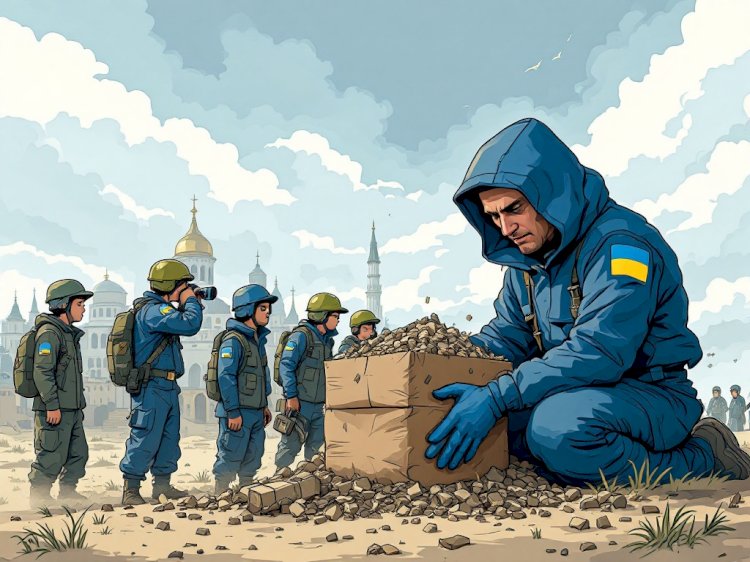
The Current State of Affairs: A Paused Commitment?
Recent reports indicate a concerning shift in the approach of one of Ukraine's major allies. As of early March 2025, there's a reported pause and review of aid from the United States to Ukraine. This decision, declared to be effective from March 3, 2025, is officially framed as a measure to ensure that assistance is contributing to a resolution of the conflict. This pause comes after substantial US contributions to Ukraine's defense, totaling approximately $66.5 billion in military assistance since the full-scale invasion in February 2022, and around $69.2 billion since Russia's initial incursions in 2014. The US has also utilized the Presidential Drawdown Authority extensively, authorizing it 55 times since August 2021 to provide Ukraine with military aid from Department of Defense stockpiles, amounting to roughly $31.7 billion.
This substantial military aid has included a wide array of critical defense systems and equipment, demonstrating a deep commitment to bolstering Ukraine's ability to defend itself. Key provisions have included:
- Air Defense Systems: Patriot air defense batteries, NASAMS, HAWK air defense systems, Stinger anti-aircraft missiles, and Avenger air defense systems.
- Ground Maneuver Vehicles: Abrams tanks, T-72B tanks, Bradley Infantry Fighting Vehicles, Stryker Armored Personnel Carriers, and Humvees.
- Anti-armor and Small Arms: Javelin anti-armor systems, TOW missiles, grenade launchers, and vast quantities of small arms ammunition.
- Maritime Defense: Harpoon coastal defense systems and anti-ship missiles, and patrol boats.
Despite this extensive history of support, the current pause introduces uncertainty. The US administration has stated its focus on peace, suggesting this review is tied to ensuring aid contributes to a peaceful resolution. However, this shift coincides with warnings from military personnel on the ground in Ukraine, who express concern that a halt in weapon supplies would be a "betrayal" and significantly hinder their defense capabilities. These soldiers highlight the critical role of US-supplied equipment, such as Bradley Fighting Vehicles, and the reliance on a steady flow of American ammunition and spare parts.
Europe Steps Up Amidst Uncertainty
While the future of US aid remains under review, the European Union is signaling a strong commitment to continued and increased support for Ukraine. EU leaders recently convened for emergency talks, driven by a growing recognition that Europe must bolster its own security and ensure Ukraine's protection, particularly as US support faces potential headwinds.
In a significant move, EU leaders have agreed to explore loosening budget restrictions to allow member states to increase military spending. The European Commission is also tasked with finding new mechanisms to facilitate substantial defense spending at the national level across all EU countries. It's estimated that this could potentially unlock around 650 billion euros ($702 billion) for defense. Furthermore, a loan package worth 150 billion euros ($162 billion) has been proposed by the Commission to help EU nations purchase new military equipment, signaling a proactive approach to strengthening both European and Ukrainian defenses.
The EU's commitment is not just financial; it's also political. Despite some internal dissent, particularly from Hungary, the EU has maintained a united front in condemning Russian aggression and pledging unwavering support for Ukraine's sovereignty and territorial integrity. This unified stance is crucial for maintaining international pressure on Russia and providing Ukraine with the diplomatic and political backing it needs.
The Financial Burden and Long-Term Needs
The scale of the conflict in Ukraine has resulted in immense damage and staggering financial needs. A recent joint Rapid Damage and Needs Assessment (RDNA4) estimates the direct damage in Ukraine to have reached $176 billion (€170 billion) as of the end of 2024. Reconstruction and recovery needs are projected to be highest in sectors like housing (almost $84 billion), transport ($78 billion), energy ($68 billion), and industry ($64 billion).
For 2025 alone, the Ukrainian government, with donor support, has allocated $7.37 billion (€7.12 billion) for priority recovery areas, including housing, education, health, and infrastructure. However, a substantial financing gap of $9.96 billion (€9.62 billion) remains for 2025, highlighting the continued need for international financial assistance. The EU has already disbursed significant financial aid to Ukraine, including €19.5 billion in 2023 and a further package of approximately €18 billion in macro-financial assistance in 2024-2027. This financial support is critical for Ukraine to maintain macroeconomic stability, pay wages and pensions, and restore essential public services.
Looking ahead to 2026 and beyond, challenges in securing funding are expected to grow. While 2025 financial needs are largely covered through existing mechanisms like the EU's Ukraine Facility and the G7's Extraordinary Revenue Acceleration (ERA) loan initiative, ensuring sustained financial support in the long term will require ongoing international cooperation and innovative financing solutions.
Shifting Military Strategies and the Nature of the Conflict
The Russia-Ukraine war has also highlighted evolving military strategies and the changing nature of modern conflict. Early phases of the war saw the effectiveness of "standoff warfare" tactics, utilizing drones, precision strikes, and long-range fires. However, as the conflict has evolved, so have defense mechanisms. Electronic warfare and anti-aircraft defenses have proven increasingly effective in neutralizing drones, while land forces have adapted by dispersing into smaller formations and utilizing urban terrain for cover.
Military analysts emphasize that ultimately, "it takes a land force to defeat a land force." While air power and long-range strikes can play a significant role, control of territory remains paramount, and this requires boots on the ground. The war has underscored the importance of physical mass in military operations – the ability to hold and defend territory, and the resilience of forces against attacks.
Russia's war strategy appears to be focused on attrition and exhaustion, aiming to:
- Incrementally gain territory to strengthen negotiating positions.
- Fortify captured territories to prevent Ukrainian counteroffensives.
- Degrade Ukraine's offensive capabilities.
- Prolong the conflict to outlast international support for Ukraine.
- Exhaust Ukraine's manpower reserves.
Countering this strategy requires Ukraine to maintain and strengthen its land forces, secure consistent supplies of advanced weaponry and ammunition, and sustain the morale and resilience of its troops and civilian population.
The Path Forward: Ensuring Continued Support and a Just Peace
As the conflict in Ukraine enters its fourth year, the international community faces critical decisions about the future of support for the country. The pause in US aid introduces a significant challenge, but also creates an opportunity for Europe and other allies to step up and demonstrate their long-term commitment to Ukraine's defense and recovery.
Key priorities for ensuring continued support and working towards a just peace include:
- Sustained Financial Aid: Addressing the significant financing gaps for Ukraine's recovery and reconstruction, both in the short term and long term. This requires continued contributions from international partners, as well as exploring innovative financing mechanisms, such as leveraging frozen Russian assets.
- Consistent Military Assistance: Providing Ukraine with the weapons, ammunition, and training it needs to defend itself and counter Russian aggression. This includes not only maintaining existing supply lines but also adapting to evolving battlefield dynamics and providing advanced defense systems to counter new threats.
- Strengthening European Defense Capabilities: EU member states must follow through on commitments to increase defense spending and enhance their collective security. A stronger European defense sector will not only bolster the EU's own security but also provide a more reliable and sustainable source of support for Ukraine.
- Diplomatic and Political Support: Maintaining a united international front in condemning Russian aggression, supporting Ukraine's sovereignty, and working towards a peaceful resolution of the conflict. This includes engaging in diplomatic efforts, imposing sanctions on Russia, and ensuring Ukraine has a seat at the table in any negotiations regarding its future.
- Focus on Long-Term Recovery and Resilience: Beyond immediate humanitarian and military needs, it's crucial to support Ukraine's long-term recovery and resilience. This includes investments in infrastructure, economic development, institutional reforms, and social programs to help Ukraine rebuild as a strong, prosperous, and democratic nation.
The war in Ukraine is a watershed moment in global geopolitics. The response of the international community will not only determine the future of Ukraine but also shape the future of European security and the global order. Sustained, coordinated, and adaptable support for Ukraine is essential to ensuring a just and lasting peace, and to upholding the principles of sovereignty, democracy, and international law.
What's Your Reaction?