Beyond Gratitude: Decoding the Discord Between Trump and Zelenskyy Over Ukraine Aid
The relationship between the United States and Ukraine, once seemingly robust in the face of Russian aggression, is showing signs of strain. Recent headlines highlight a growing discord between former US President Donald Trump and Ukrainian President Volodymyr Zelenskyy, primarily fueled by Trump's repeated assertions that Ukraine is not sufficiently "appreciative" of American aid. This escalating tension raises critical questions about the future of US-Ukraine relations and the ongoing international support for Ukraine as it navigates the complexities of war with Russia.
This blog post delves into the heart of this diplomatic friction, analyzing the core issues driving the Trump-Zelenskyy divide. We will unpack Trump's criticisms, explore Zelenskyy's perspective, and examine the broader implications for Ukraine, the war, and international alliances. By synthesizing recent news and expert analysis, we aim to provide a comprehensive understanding of this evolving geopolitical landscape.
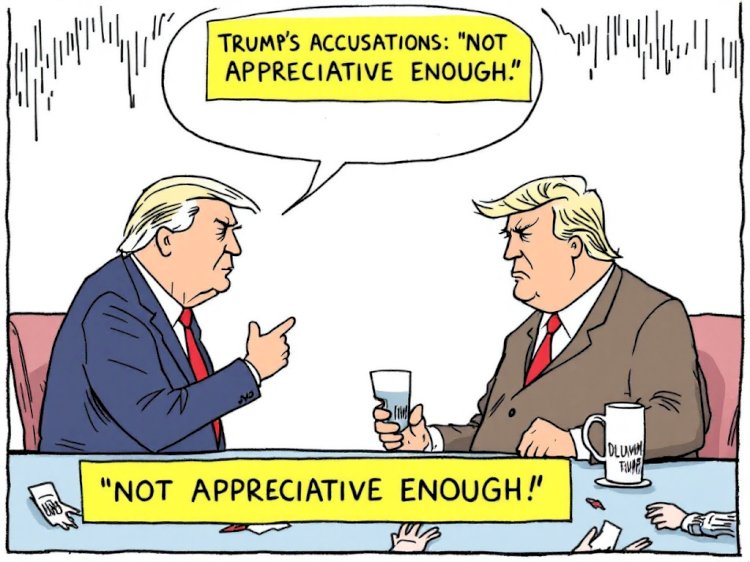
Trump's Accusations: "Not Appreciative Enough"
Donald Trump's criticism of Volodymyr Zelenskyy centers on the perceived lack of gratitude from Ukraine for the substantial financial and military assistance provided by the United States. Trump has publicly stated that US support for Ukraine may not continue "much longer" if Zelenskyy does not shift his stance. This sentiment was amplified after Zelenskyy was quoted stating that the end of the Russia-Ukraine war is "very, very far away."
Trump reportedly reacted strongly to this statement, calling it "the worst statement that could have been made by Zelenskyy." He went on to assert on his social media platform that "America will not put up with it for much longer!" and that Zelenskyy "doesn't want there to be Peace as long as he has America's backing." This narrative paints a picture of Zelenskyy as ungrateful and unwilling to pursue peace, allegedly prolonging the conflict due to continued Western support.
These criticisms were not merely rhetorical. Reports indicate a heated Oval Office meeting where Trump, along with Vice President JD Vance, allegedly berated Zelenskyy, accusing him of ingratitude. This tense encounter reportedly led to Zelenskyy abruptly leaving the White House and canceling a planned joint press conference, signaling a significant rupture in relations.
Trump's allies have echoed his sentiments, further escalating the public pressure on Zelenskyy. Some have even suggested that Zelenskyy should consider resigning if he cannot demonstrate sufficient gratitude and openness to negotiate with Russia. This coordinated messaging from Trump and his allies underscores the seriousness of their displeasure and the potential consequences for US-Ukraine relations.
The Weight of US Aid: A Necessary Lifeline
To understand the context of Trump's demand for "appreciation," it's crucial to acknowledge the significant role the United States has played in supporting Ukraine. Since the onset of the Russia-Ukraine war, the US has been a leading provider of aid, committing billions of dollars in military, financial, and humanitarian assistance.
This aid has been instrumental in bolstering Ukraine's defense capabilities, enabling the country to withstand the Russian invasion and maintain its sovereignty. US military aid has included advanced weaponry, ammunition, and training, crucial for Ukraine's fight against a larger and more powerful adversary. Economic assistance has helped stabilize the Ukrainian economy, providing essential funding for government functions and social services amidst the devastation of war. Humanitarian aid has addressed the urgent needs of millions of Ukrainians displaced by the conflict, providing food, shelter, and medical care.
The scale of US support reflects a broader Western commitment to Ukraine's sovereignty and territorial integrity, rooted in principles of international law and the desire to counter Russian aggression. However, this support is not unconditional, and domestic political considerations within the US, particularly regarding the cost and duration of foreign aid, inevitably influence the dynamic of this relationship.
Zelenskyy's Perspective: A Nation Under Siege
From Ukraine's perspective, the demand for constant expressions of gratitude may appear tone-deaf amidst the existential threat the nation faces. Ukraine is fighting for its survival, enduring immense human suffering, and grappling with widespread destruction. President Zelenskyy's primary responsibility is to his people and to securing the best possible outcome for his country in this brutal conflict.
Zelenskyy's statement that the end of the war is "very, very far away" likely reflects a realistic assessment of the situation on the ground. Despite Western aid, Ukraine faces a formidable Russian military, and the path to a lasting peace is fraught with challenges. Russia occupies a significant portion of Ukrainian territory, and achieving a resolution that respects Ukraine's sovereignty and security interests is a complex and protracted diplomatic endeavor.
Furthermore, Zelenskyy has emphasized the need for "real security guarantees" as part of any ceasefire agreement. This reflects Ukraine's deep-seated concern about future Russian aggression, given Russia's history of broken agreements and the ongoing threat to Ukrainian security. For Ukraine, a peace that does not include credible security guarantees could be seen as a temporary reprieve, rather than a durable solution.
It's also important to consider the immense pressure Zelenskyy is under, both domestically and internationally. He must balance the need for continued Western support with the imperative to pursue a peace that is acceptable to the Ukrainian people and ensures the long-term security of the nation. Navigating these competing pressures in the face of relentless Russian aggression is an extraordinarily difficult task.
European Concerns and the Unsigned Minerals Deal
The escalating tension between Trump and Zelenskyy has not gone unnoticed in Europe. European leaders, particularly those in the UK and France, have expressed concern about the potential shift in US policy towards Ukraine. They are reportedly exploring options for a European-led initiative to halt the Russia-Ukraine war, particularly in light of the "rupture" between Trump and Zelenskyy.
European nations are acutely aware of the implications of reduced US support for Ukraine. They understand that the security of Eastern Europe is inextricably linked to Ukraine's ability to resist Russian aggression. A weakening of US commitment could place a greater burden on European nations to provide aid and potentially embolden Russia.
The reports also mention a "minerals deal" between the US and Ukraine that was intended to be signed during Zelenskyy's visit to Washington. This deal, aimed at granting the United States access to Ukrainian mineral resources, was reportedly left unsigned amidst the Oval Office tensions. The failure to finalize this agreement underscores the depth of the current discord and raises questions about the future of US-Ukraine cooperation on strategic economic and security matters.
Implications and the Path Forward
The public spat between Trump and Zelenskyy carries significant implications for the ongoing conflict and the broader geopolitical landscape. Firstly, it injects uncertainty into the future of US aid to Ukraine. Trump's statements suggest a potential shift in US policy, raising concerns about whether Washington will continue to provide the level of support Ukraine needs to sustain its defense.
Secondly, this discord could embolden Russia. The Kremlin may interpret the public rift as a sign of weakening Western resolve, potentially leading to intensified military pressure on Ukraine and a hardening of Russia's negotiating position. Conversely, Russia has stated that "someone should make [Zelenskyy] want peace" after the White House meeting, suggesting they are also watching the situation closely and seeking to exploit any divisions.
Thirdly, the situation highlights the complexities of international alliances and the challenges of maintaining unity in the face of evolving geopolitical pressures. European efforts to forge a common path forward on Ukraine underscore the need for transatlantic cooperation, even amidst differing perspectives and priorities.
Moving forward, de-escalating the tensions between Washington and Kyiv is crucial. Open and honest dialogue, acknowledging the legitimate perspectives of both sides, is essential to bridge the divide. For Ukraine, demonstrating a willingness to engage in constructive diplomacy and to articulate the value of international support remains vital. For the United States, reaffirming its commitment to Ukraine's sovereignty and security, while also seeking a path towards a peaceful resolution, is paramount.
The road ahead is undoubtedly complex. Navigating the nuances of international relations, especially during times of conflict, requires careful diplomacy, mutual understanding, and a shared commitment to finding solutions that serve the interests of all parties involved. The future of Ukraine, and indeed the stability of Eastern Europe, may well hinge on the ability to bridge the current discord and reaffirm a united front in support of peace and security.
What's Your Reaction?