Navigating Shaky Ground: Understanding the US-Ukraine Relationship in Tumultuous Times
The global political landscape is ever-shifting, with alliances tested and international relationships constantly being redefined. In recent times, the dynamic between the United States and Ukraine has become a focal point of global discussion, particularly in light of ongoing geopolitical tensions. A recent closed-door meeting at the White House has thrown this relationship into sharp relief, exposing underlying tensions and raising questions about the future of their partnership. This blog post delves into the intricacies of this pivotal encounter, analyzing the key issues at stake and exploring the broader implications for international diplomacy and regional stability.
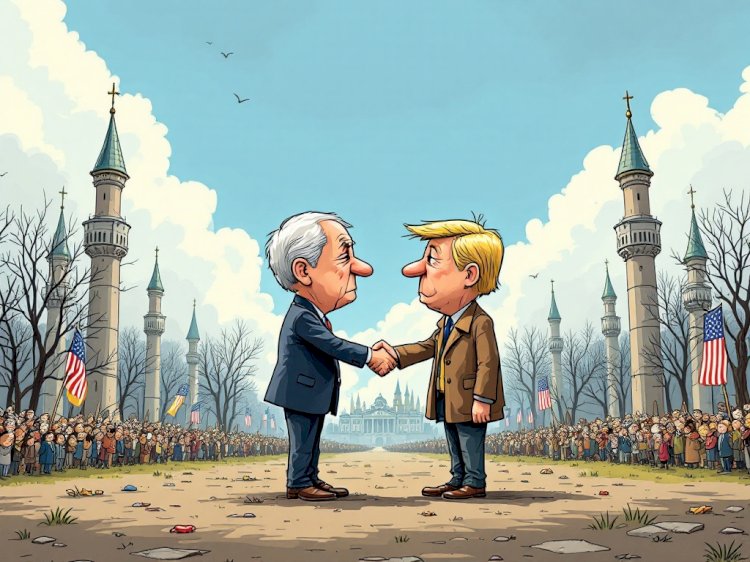
A Meeting Behind Closed Doors: Unpacking the White House Summit
While official accounts often paint diplomatic engagements in a positive light, sources reveal a different narrative from a recent high-level meeting between Ukrainian and US leaders. What was intended to be a routine discussion reportedly devolved into a confrontation, highlighting significant disagreements and a palpable strain in relations.
According to insider accounts, the atmosphere within the White House was far from cordial. Initial pleasantries quickly gave way to sharp exchanges, with core disagreements surfacing rapidly. A central point of contention appears to be the approach to resolving the ongoing conflict involving Russia. The US side, particularly figures like former Vice President Mike Pence, voiced strong criticism of Ukraine's perceived reluctance to pursue peace negotiations. This sentiment reportedly escalated, culminating in direct and unusually blunt exchanges between leaders.
Key Flashpoints: Aid, Peace, and Diplomatic Protocol
Several critical issues fueled the reported tension during the White House meeting:
-
The Question of Gratitude and Aid: A recurring theme in the discussion was the level of gratitude expected from Ukraine for the substantial aid provided by the United States. This perspective, reportedly voiced by former Vice President Pence, suggests a transactional view of international partnerships, where assistance comes with an implicit expectation of alignment and appreciation. The US has been a significant provider of aid to Ukraine, especially in the context of regional conflicts. Understanding the nuances of this aid relationship is crucial. According to the Congressional Research Service, the United States has committed billions in security and non-security assistance to Ukraine since 2014, demonstrating a significant investment in the country's stability and sovereignty.
-
Divergent Paths to Peace: A major sticking point was reportedly the differing perspectives on how to achieve peace in the region. The US side, led by then-President Trump, apparently pressed for a more proactive approach to negotiations, suggesting Ukraine was hindering progress. This stance clashes with Ukraine's official position, which likely prioritizes sovereignty and territorial integrity in any peace settlement. Examining the complexities of the Russia-Ukraine conflict is essential to understanding these divergent viewpoints. The conflict, which began in 2014, has deep historical and geopolitical roots, making a simple resolution elusive.
-
The Unspoken Language of Attire: Even seemingly minor details like attire became points of contention. Ukrainian President Zelensky's choice of a black outfit adorned with the national emblem, while perhaps intended as a symbol of national pride and resilience, was reportedly perceived negatively by the US delegation. This highlights the often-overlooked role of nonverbal communication and cultural sensitivities in high-stakes diplomacy. Diplomatic protocol and symbolism can significantly impact international relations, sometimes even unintentionally. (Note: This is a general UN handbook on protocol, not specifically about attire, but illustrates the importance of protocol in diplomacy).
Escalation and Ejection: When Diplomacy Breaks Down
The disagreements reportedly escalated rapidly, moving from diplomatic discourse to a more confrontational atmosphere. Sources indicate that President Trump became increasingly critical of President Zelensky, even raising his voice and expressing anger – a departure from typical diplomatic norms. This culminated in an unprecedented request for President Zelensky to leave the White House, effectively cutting short the planned discussions and signaling a severe breakdown in communication.
The abrupt conclusion of the meeting had immediate repercussions. President Zelensky was forced to cancel a scheduled public address at the Hudson Institute, a think tank known for its foreign policy analysis. A planned joint press conference, intended to project an image of unity and cooperation, was also scrapped. Furthermore, any hopes of securing a deal regarding US access to Ukraine's rare earth mineral resources were dashed. This failure to reach an agreement on strategic resources could have long-term implications for both nations. Ukraine possesses significant reserves of rare earth minerals, which are critical for various industries, including technology and defense.
Public Fallout and Lingering Tensions
The private discord soon spilled into the public domain. President Trump publicly criticized President Zelensky on social media, indicating a hardening of the US stance and further jeopardizing the already strained relationship. The White House, in its official statements, emphasized that President Trump and Vice President Pence were prioritizing American interests, framing their tough stance as standing up for the American people. This public airing of grievances underscored the depth of the rift and signaled a potential shift in US policy towards Ukraine.
Russia's Shadow: Geopolitical Implications
The fallout from the contentious meeting has broader geopolitical ramifications, particularly concerning Russia's strategic interests in the region. Analysts suggest that the public display of discord between the US and Ukraine creates opportunities for Russia to exploit the situation and potentially regain influence in Eastern Europe. Russia has been closely monitoring US-Ukraine relations, and any sign of weakening ties is likely viewed as advantageous to Moscow's regional ambitions. Understanding Russia's geopolitical strategy in Eastern Europe is crucial to assessing the impact of strained US-Ukraine relations. Russia's foreign policy has long aimed to maintain influence in its near abroad, and Ukraine occupies a strategically vital position in this context.
Mending Fences: Ukraine's Diplomatic Tightrope Walk
In the aftermath of the White House debacle, Ukrainian policymakers face a delicate balancing act. Recognizing the critical importance of US strategic support, particularly in the face of ongoing regional instability, Ukraine needs to navigate a path towards repairing relations with Washington. Some experts suggest that a formal apology or a concerted effort to address US concerns might be necessary to mend the fractured alliance. However, this must be achieved without compromising Ukraine's core national interests and sovereignty. Ukraine's foreign policy strategy is inherently complex, requiring it to balance relations with multiple global powers while safeguarding its own security and territorial integrity.
Expert Commentary and Media Perspectives
Media coverage of the White House meeting has been largely critical, with many observers characterizing it as a diplomatic disaster for Ukraine. ABC News reporter Carrington Clarke, for instance, described the encounter as a "disaster" and suggested that the US might be poised to withdraw its support for Ukraine altogether. Such commentary reflects a broader concern within the foreign policy establishment about the potential consequences of a weakened US-Ukraine partnership. Analyzing media narratives surrounding international events is important for understanding public perception and shaping diplomatic discourse. (This is a general link to ABC News as a source).
Looking Ahead: The Uncertain Future of US-Ukraine Relations
The reported White House meeting serves as a stark reminder of the complexities and potential fragility of international alliances. The incident raises critical questions about the future trajectory of US-Ukraine relations. Will both sides be able to overcome these tensions and reaffirm their partnership, or does this episode foreshadow a more significant shift in their geopolitical alignment? The answers to these questions will have far-reaching implications for regional stability, international diplomacy, and the broader global order. Moving forward, open communication, mutual respect, and a clear understanding of each other's strategic priorities will be essential to navigate the challenges and ensure a productive and stable relationship between the United States and Ukraine.
What's Your Reaction?