The Transformation of Supply Chain Management Through Blockchain Technology
Blockchain technology is fundamentally transforming supply chain management by addressing longstanding challenges of transparency, traceability, and trust in global logistics networks. Through distributed ledger technology, companies are achieving unprecedented visibility across their supply chains, reducing fraud, and enhancing operational efficiency.
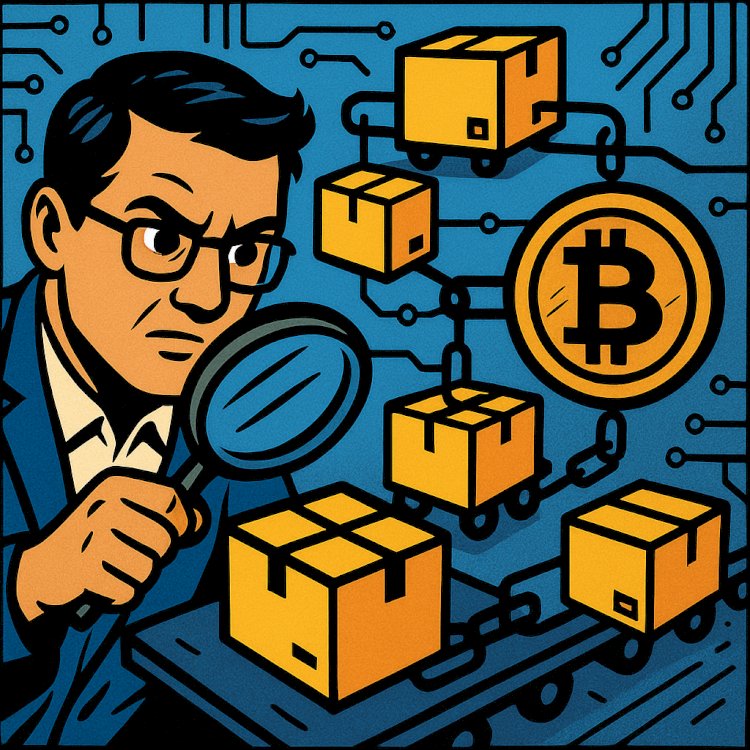
Real-world implementations like IBM's Food Trust and the TradeLens platform demonstrate measurable improvements in tracking capabilities, with some cases reducing product tracing time from days to mere seconds[1]. While adoption barriers such as implementation costs, technical complexity, and regulatory uncertainty persist[2], the integration of blockchain with emerging technologies like IoT and artificial intelligence is creating intelligent supply chain ecosystems that promise to revolutionize how goods move through global commerce networks[3][4].
Understanding Blockchain in the Context of Supply Chains
Blockchain technology represents a paradigm shift from centralized to decentralized data management systems, fundamentally altering how supply chain information is stored, verified, and shared. A distributed ledger is a digital record of transactions that is replicated, shared, and synchronized across multiple participants in a network, where all participants have access to the same data[5]. Unlike traditional centralized databases, blockchain operates on a decentralized network that ensures data integrity through cryptographic hashing and consensus mechanisms[6].
The core principle of blockchain transparency ensures that all transactions and data on the network are available to everyone with access to the system, allowing participants to see and validate the authenticity of transactions[6]. This characteristic is particularly valuable in supply chain contexts where multiple stakeholders need access to reliable information about product movements, origins, and handling conditions. The technology creates an immutable and transparent record of every transaction or movement of goods within the supply chain, ensuring that all stakeholders have access to the same real-time information[5].
Blockchain's distributed nature eliminates the need for intermediaries in many supply chain processes, potentially reducing costs across the entire network by eliminating administrative overheads[7]. The technology enables secure and direct exchanges without third parties through open-source software operating on peer-to-peer networks, where nodes contain current transaction information[8]. Each block in the blockchain contains a unique identifier called a hash, and when transactions occur, they are added as new blocks with their own unique identifiers, validated through complex mathematical computations performed by network participants[8].
Current Challenges in Traditional Supply Chains
Traditional supply chain management systems face numerous challenges that blockchain technology is uniquely positioned to address. One of the most significant issues is the lack of visibility across entire supply chain networks, as goods move from one location to another without adequate tracking mechanisms[7]. This opacity creates substantial problems for companies operating in global markets, where maintaining accurate records and ensuring product authenticity becomes increasingly complex.
Food fraud represents a particularly serious challenge in traditional supply chains, where blind spots in sourcing and inadequate due diligence have made it easier for fraudsters to penetrate supply networks[9]. Examples include selling horse meat as beef, diluting olive oil with cheaper alternatives, using inferior fish species while labeling them as premium types, and adding harmful substances like melamine to falsely increase protein content in milk products[9]. These practices not only cheat consumers but also create significant health and safety concerns while eroding trust within the industry.
Manual tracking processes compound these challenges by introducing human error and inefficiencies into supply chain operations. Research indicates that over 40% of workers across various industries waste at least 25% of their time on manual, low-value tasks such as data entry[10]. In construction and logistics specifically, manual inventory tracking leads to lost tools, misplaced materials, and endless spreadsheet management that increases the likelihood of errors and delays[10]. The inability to provide real-time inventory visibility creates security concerns, particularly given that 27% of construction theft is committed by insiders, highlighting the need for automated tracking systems that ensure employee accountability[10].
The fragmentation of information across multiple stakeholders creates additional complications in traditional supply chains. Companies often struggle with siloed digital systems that are difficult to reconcile, leading to discrepancies in records and challenges in maintaining end-to-end visibility[5]. This lack of coordination results in delays, increased costs, and reduced trust among supply chain participants, necessitating more robust and transparent systems for information sharing and verification.
Blockchain-Enabled Solutions in Practice
Real-world implementations of blockchain technology in supply chain management demonstrate the practical benefits and transformative potential of distributed ledger systems. IBM's Food Trust Blockchain system exemplifies how blockchain can revolutionize product traceability, reducing the time required to track a package of mangoes from farm to grocery store from six days, 18 hours, and 25 minutes to just 2.2 seconds[1]. This dramatic improvement in tracing capability enables faster response times during food safety incidents and provides consumers with unprecedented transparency about product origins and handling.
The collaboration between IBM and various food industry partners through the Food Trust platform has created a comprehensive ecosystem that improves traceability, transparency, delivery optimization, and supply chain collaboration[1]. The system reduces operational costs while enhancing food safety by creating a secure solution that tracks products and transactions with visibility across all parties throughout the supply chain[1]. This implementation demonstrates how blockchain technology can address multiple supply chain challenges simultaneously while providing measurable improvements in operational efficiency.
TradeLens represents another significant blockchain implementation, developed jointly by IBM and Maersk in 2018 to facilitate document and information exchange throughout maritime supply chains[11]. The platform utilized a permissioned blockchain network that secured and controlled data sharing among parties, incorporating smart contracts to automate agreements between participants and reduce manual intervention while minimizing dispute risks[11]. Despite its eventual shutdown, TradeLens attracted 94 participants including more than 20 port and terminal operators and five of the seven biggest shipping companies, demonstrating significant industry interest in blockchain solutions[11].
The architecture of TradeLens exemplified how blockchain can connect all supply chain stakeholders, including cargo owners, freight forwarders, transportation providers, ports, terminals, ocean carriers, customs, and government authorities[11]. The platform enabled seamless, real-time sharing of cargo details, trade documents, and shipping milestones while ensuring that critical information remained secure, immutable, and auditable through blockchain technology[11]. The system's open API environment allowed third parties to build applications on the platform, creating a comprehensive ecosystem for maritime logistics.
Smart contracts represent a crucial component of blockchain-enabled supply chain solutions, converting contractual agreements into automated processes that reduce administrative effort and minimize human error[12]. These self-executing contracts contain predefined conditions in program code, automatically executing when defined conditions are met, such as releasing payments when transport companies confirm receipt of goods through IoT device transmissions to the blockchain[12]. This automation significantly impacts process efficiency and accuracy by integrating with technologies like RFID and GPS to react to real-time events and trigger corresponding actions[12].
Benefits and Measurable Impacts
The implementation of blockchain technology in supply chain management delivers quantifiable benefits across multiple operational dimensions. Cost reduction emerges as a primary advantage, with blockchain eliminating intermediaries and reducing administrative overheads throughout supply chain networks[7]. The Global Supply Chain Institute indicates that blockchain offers return on investment in specific applications including reducing administrative burdens, decreasing invoice reconciliation costs, and tracking goods provenance[13]. Market projections support this potential, with comprehensive research suggesting the blockchain in supply chain market could reach approximately $17.15 billion by 2030[7].
Enhanced transparency and traceability represent fundamental improvements enabled by blockchain implementation. Companies achieve end-to-end tracking capabilities that allow real-time monitoring of goods from origin to destination, creating immutable records accessible to authorized participants[14]. This visibility eliminates inefficiencies, reduces disputes through immutable records, and improves operational accuracy by streamlining tracking and verification processes[14]. The transparency benefits extend beyond operational improvements to support regulatory compliance and consumer confidence, particularly crucial in industries dealing with high-value or perishable items[2].
Research findings indicate that blockchain adoption leads to improved operational efficiency, reduced paperwork, and enhanced customer satisfaction[2]. The technology provides real-time visibility into operations and enables earlier action when exceptions occur, giving supply chain managers the ability to proactively address disruptions before they escalate[15]. Smart contracts contribute to these efficiency gains by automatically triggering when predefined business conditions are met, providing near real-time operational visibility[15].
Security improvements represent another significant benefit of blockchain implementation in supply chains. AI algorithms integrated with blockchain can analyze transactional data to detect anomalies indicative of fraudulent activities, while the blockchain creates tamper-proof audit trails that make record alteration or falsification virtually impossible[4]. This combination ensures supply chain integrity and provides consumer assurance regarding product authenticity and quality[4]. The technology's ability to create secure, shared ledgers helps offset trust degradation that often occurs in global supply chains involving multiple discrete entities with varying interests[16].
The integration of blockchain with other technologies amplifies these benefits further. When combined with IoT devices, blockchain enables intelligent supply chain networks with enhanced data security, traceability, and compliance capabilities[3]. AI-powered analytics processing vast amounts of supply chain data in real-time, recorded on immutable blockchain ledgers, provide stakeholders with comprehensive insights into every supply chain step while reducing counterfeiting risks and ensuring regulatory compliance[4].
Limitations and Barriers to Adoption
Despite the promising benefits of blockchain technology in supply chain management, several significant barriers continue to impede widespread adoption across industries. High implementation costs represent one of the most substantial challenges facing organizations considering blockchain integration[2]. The technological complexity requires significant investment in infrastructure, including hardware, software, and comprehensive training programs to build necessary technical expertise[2]. Many organizations find the initial capital requirements prohibitive, particularly smaller companies that lack the resources for large-scale technology transformations.
The shortage of skilled professionals who understand blockchain technology complexities creates another critical barrier to adoption[2]. The logistics industry requires expertise in both blockchain technology and supply chain operations, but qualified professionals remain in short supply[2]. This skills gap necessitates substantial investment in training programs and may require organizations to recruit specialized talent, adding to implementation costs and timeline challenges.
Regulatory uncertainty compounds adoption challenges, particularly for companies operating in international markets. The absence of clear regulations and standards creates compliance difficulties, especially in cross-border logistics where different countries maintain varying legal frameworks[2]. This regulatory ambiguity makes it challenging for global supply chains to implement blockchain solutions that comply with all relevant jurisdictions, creating legal and operational risks for early adopters.
Interoperability issues present ongoing technical challenges as blockchain platforms struggle to communicate effectively with existing enterprise systems and other blockchain networks. The lack of standardization across different blockchain implementations creates integration difficulties when organizations attempt to connect their blockchain solutions with existing ERP systems and other enterprise software[2]. IEEE has developed standards for cross-chain interoperability interfaces and protocols to address these challenges, but adoption of these standards remains limited[17].
Scalability concerns also limit blockchain adoption in large-scale supply chain operations. Many blockchain networks experience performance limitations when processing high volumes of transactions, potentially creating bottlenecks in supply chains that handle massive amounts of data and transactions daily[2]. Additionally, energy consumption associated with some blockchain consensus mechanisms raises sustainability concerns for environmentally conscious organizations.
Data privacy and security concerns present paradoxical challenges for blockchain adoption. While blockchain enhances security through immutable records and transparent transactions, organizations worry about exposing sensitive business information to network participants[2]. Balancing transparency benefits with competitive intelligence protection requires careful consideration of permissioned network designs and access controls.
Future Trends and Integration with Emerging Technologies
The convergence of blockchain with emerging technologies promises to create more sophisticated and capable supply chain management systems. The integration of blockchain and Internet of Things (IoT) technologies is developing intelligent supply chain networks that provide enhanced data security, real-time traceability, and improved compliance capabilities[3]. IoT sensors monitoring environmental conditions during transportation and storage can transmit data directly to blockchain networks, ensuring product quality and preventing tampering while creating comprehensive audit trails[9][3].
Artificial intelligence integration with blockchain platforms enables advanced analytics capabilities that transform supply chain decision-making processes. AI algorithms can analyze vast amounts of data collected from IoT devices and recorded on blockchain networks to predict demand patterns, optimize inventory management, and detect fraudulent activities[4]. Smart contracts deployed on blockchain networks can automatically trigger reorder points based on AI-generated demand forecasts, streamlining procurement processes and improving overall supply chain efficiency[4].
The development of cross-chain interoperability standards, such as IEEE 3205-2023, is addressing one of the fundamental barriers to blockchain adoption by enabling different blockchain systems to exchange information and mutually use shared data[17]. These standards provide infrastructure for cross-chain interoperability along with interfaces and protocols for data authentication and communication between homogeneous and heterogeneous blockchain systems[17]. This standardization supports multiple cross-chain models and levels to meet business demands without requiring customized gateways for specific use cases.
Smart contracts are evolving beyond simple automated execution to become sophisticated business logic engines that integrate with existing enterprise systems through APIs[12]. These contracts enable seamless integration with ERP systems and other enterprise software solutions, resulting in improved data consistency and operational efficiency while supporting real-time inventory monitoring and automated order triggering[12]. The evolution toward more sophisticated smart contract capabilities promises to automate increasingly complex supply chain processes.
Environmental, Social, and Governance (ESG) reporting represents an emerging application area where blockchain's tamper-proof, transparent, and immutable ledger capabilities provide significant value[18]. With 94% of executives feeling pressure to improve ESG performance, blockchain technology offers reliable mechanisms for tracking and reporting environmental impacts, social responsibility metrics, and governance compliance throughout supply chains[18]. This application area is expected to drive significant blockchain adoption as regulatory requirements for ESG reporting continue to expand.
The future landscape also includes enhanced integration between blockchain platforms and artificial intelligence for real-time monitoring and predictive analytics. AI-powered IoT devices collecting data from warehouses, transportation vehicles, and manufacturing facilities can transmit information to blockchain networks where it is securely stored and accessed by authorized parties[4]. This integration enables supply chain managers to monitor key performance indicators in real-time, identify bottlenecks, and proactively address issues before they escalate into major disruptions.
Conclusion
Blockchain technology has emerged as a transformative force in supply chain management, addressing fundamental challenges of transparency, traceability, and trust that have plagued traditional logistics systems for decades. The evidence demonstrates that organizations implementing blockchain solutions achieve measurable improvements in operational efficiency, cost reduction, and risk mitigation. Real-world examples like IBM's Food Trust platform and the TradeLens initiative illustrate how distributed ledger technology can dramatically reduce product tracing times while enhancing collaboration among supply chain stakeholders.
The integration of blockchain with complementary technologies such as IoT devices, artificial intelligence, and smart contracts is creating increasingly sophisticated supply chain ecosystems. These integrated solutions enable real-time monitoring, predictive analytics, and automated decision-making capabilities that were previously impossible with traditional centralized systems. The development of interoperability standards and the growing focus on ESG reporting requirements further accelerate blockchain adoption across industries.
However, successful blockchain implementation requires careful consideration of adoption barriers including implementation costs, technical complexity, and regulatory uncertainty. Organizations must invest in both technological infrastructure and human capital development to realize blockchain's full potential. The future of supply chain management will likely depend on collaborative efforts among technology providers, logistics companies, and regulatory bodies to establish industry-wide standards and best practices that enable seamless blockchain integration while addressing privacy, security, and scalability concerns.
As blockchain technology continues to mature and standardization efforts advance, supply chain management is positioned for fundamental transformation toward more transparent, efficient, and resilient global logistics networks. Organizations that proactively address implementation challenges and invest in blockchain capabilities today will be best positioned to capitalize on the competitive advantages that this technology offers in an increasingly complex and interconnected global economy.
- https://supplychaindigital.com/technology/supply-chain-insight-inside-ibms-food-trust-blockchain-system
- https://ijrpr.com/uploads/V6ISSUE4/IJRPR42831.pdf
- https://www.leangroup.com/blog/how-blockchain-and-iot-are-revolutionizing-supply-chain-transparency
- https://www.linkedin.com/pulse/ai-driven-blockchain-solutions-supply-chain-garima-singh-bwsyc
- https://www.cglindia.net/decentralized-logistics-how-distributed-ledgers-are-changing-freight-management/
- https://defipedia.com/topic/blockchain-transparency
- https://www.paltron.com/insights-en/the-role-of-blockchain-in-supply-chain-management-scm
- https://appvintech.com/understanding-the-basics-of-blockchain-technology/
- https://www.supplychainbrain.com/blogs/1-think-tank/post/39479-food-fraud-a-fragile-food-and-beverage-supply-chain-imperative
- https://gocodes.com/stop-manually-tracking-construction-inventory/
- https://www.kaikosystems.com/blog/blockchain-in-the-maritime-industry-tradelens-case-analysis
- https://supplyx.info/en/smart-contracts/
- https://supplychainmanagement.utk.edu/blog/blockchain-for-supply-chain-evaluating-the-roi-of-blockchain-technology/
- https://tacticallogistic.com/logistics/dtl-supply-chain/
- https://www.ibm.com/blockchain-supply-chain
- https://www2.deloitte.com/us/en/pages/operations/articles/blockchain-supply-chain-innovation.html
- https://standards.ieee.org/ieee/3205/10237/
- https://www.nasdaq.com/articles/how-blockchain-technology-is-transforming-supply-chain-management-in-2024
What's Your Reaction?